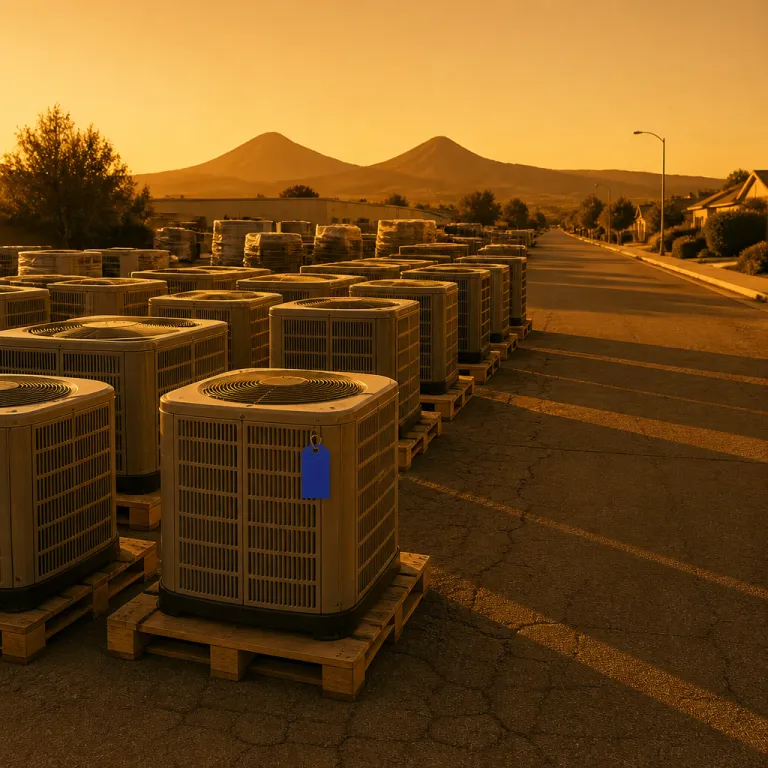
Why air conditioner prices spike twice and where they really bottom
Retailers make the best time to buy air conditioner look obvious. Marketing pushes you toward a first peak in late spring, then a second wave of “last chance” offers near the end of summer season. Yet the real pricing pattern for air conditioners, conditioners accessories, and full hvac systems is quieter and more predictable.
Across big chains and local hvac companies, the first price peak usually arrives just before major late spring holidays, when demand for every type of air conditioner unit surges. Shoppers rush to buy air conditioning solutions as the first hot air arrives, and that demand lets retailers hold prices on many models of air conditioners, mini split systems, and central air packages. The second peak comes in late summer, when clearance tags appear but the most energy efficient models and popular sizes are already thinned out.
For a budget conscious family, the best time is not those headline moments but the quieter gaps between them. After the pre holiday rush, there is often a late June “hangover” when unsold air conditioning inventory sits and prices soften for both window unit options and portable conditioners. A second low point tends to appear in early autumn, when the cooling season is effectively over and retailers want to free warehouse space before winter heating cooling stock arrives.
Reading the inventory cycle: when families actually save money
If you map the full year, you see four distinct phases in the air conditioning market. Early spring brings new models of air conditioners and hvac system bundles, with higher prices but the widest choice of energy efficient options. Late spring into early summer is when marketing noise peaks, yet it is rarely the best time to buy air conditioner products if you care about total cost.
From mid to late June, retailers start comparing their air conditioner sales targets with real data and quietly adjust prices. That is when you often find meaningful discounts on last year’s air conditioners, mini splits, and even some central air systems, especially if you are flexible on brand or smart conditioning features. The same pattern repeats after the late summer clearance push, when a few unsold models linger into early autumn and managers cut prices again before winter early inventory arrives.
For a family shopper, this means planning your time to buy around comfort, not panic. If your existing conditioner or hvac system is limping along but still cooling, aim for that late June window or the early autumn lull. When you can schedule installation outside the peak summer season, you not only save money on the unit but often secure better attention from hvac companies and installers.
Window, portable, mini split, or central air: matching format to your home
Knowing the best time to buy air conditioner equipment only helps if you choose the right format. Window air conditioners and portable conditioners usually cost between 300 and 700 dollars per unit, while a full central air installation can range from about 3 500 to 7 000 dollars. Mini split systems and mini splits with multiple indoor heads sit between those extremes, especially when you factor in professional installation and long term energy costs.
For a small flat or single room, a window air conditioner often delivers the lowest installed cost per square metre of cooling. Portable air conditioners are easier to move but usually less energy efficient, so their long term energy consumption can erase any short term discounts you get by buying air in a rush. Ductless mini split systems cost more upfront but shine when you need zoned air conditioning, especially in homes without existing ducts or in extensions where running a full hvac system would be expensive.
Central air and full hvac systems make sense when you already have ductwork and plan to stay in the home for many seasons. In that case, the best time to buy air conditioner equipment is often when you can pair a new central air unit with other heating cooling upgrades, such as heat pumps or improved insulation. Spreading the installation work over one visit can reduce labour charges and give you a more balanced system that manages both winter heating and summer cooling efficiently.
Energy efficiency, smart features, and the quiet cost of running your system
Price tags tell only part of the story when you decide the best time to buy air conditioner equipment. The other half is energy efficiency, usually expressed through ratings such as SEER2 for cooling performance over a full season. A higher SEER2 rating means the air conditioner or hvac system uses less energy to deliver the same cooling, which matters over thousands of hours of operation.
For a typical family running air conditioning through the hottest months, a more energy efficient unit can cut electricity use enough to offset a higher purchase price within several years. When you compare models, look at both the upfront prices and the estimated annual energy cost, then multiply that by at least five cooling seasons to see the real difference. This total cost view is especially important for central air, mini split systems, and heat pumps, where the gap between basic and high efficiency models can be large.
Smart features deserve the same scrutiny, because not every upgrade helps you save money over time. Scheduling and occupancy sensing can reduce wasted cooling, especially if your family’s routine is predictable and you often forget to adjust the thermostat. Voice assistant integration or app only controls, by contrast, rarely change how much air conditioning you actually use, so they should not drive your decision about the best time or the right model to buy.
Tariffs, financing traps, and how to land between the peaks
Air conditioner prices do not move in isolation, because they share supply chains with other large appliances. When tariffs raise the cost of steel and components for freezers, washers, and ovens, the same pressure often hits air conditioning units, mini splits, and central air systems. Analysts such as NielsenIQ and Wells Fargo have already flagged that more appliances will be sold while prices rise more slowly but steadily, which means waiting too long can erase the benefit of off season discounts.
For a family watching every euro, this makes timing and payment method equally important. If a retailer offers 0 percent financing for a limited time and you are certain you can clear the balance before interest starts, spreading payments can protect your cash flow without increasing the real cost of buying air conditioning equipment. The trap appears when deferred interest or high penalty rates kick in after the promotional period, turning a modest discount into an expensive hvac system over the remaining term.
One practical way to think about this is to treat your air conditioner purchase like any other big household buy. Use the same comparison mindset you would apply when learning how to get the best value on bulk household items, focusing on total cost per use rather than just the sticker price. By combining that discipline with an understanding of the two annual price peaks, you can plan your time to buy so that you land between them, secure a fair installation slot, and keep both your summer comfort and winter budget under control.
FAQ
When is the absolute best time to buy an air conditioner for most families ?
For many households, the best time to buy air conditioner equipment is either in late June after the first big promotional wave or in early autumn once the main cooling season ends. Those periods often combine lower prices with enough remaining inventory to choose energy efficient models that fit your home. You still need to check local hvac companies, because regional climate and demand can shift these windows slightly.
Is it cheaper to replace my central air system in winter or in summer ?
Replacing central air and a full hvac system is usually cheaper outside the hottest months, when installers are less busy. Late autumn or winter early in the year can bring more flexible scheduling and sometimes better labour rates, even if unit prices do not drop dramatically. You also gain time to compare models, consider heat pumps, and plan a combined heating cooling upgrade.
Do mini split systems really save money compared with window units ?
Mini split systems cost more upfront than basic window air conditioners, but they are often more energy efficient and can cool multiple rooms with one outdoor unit. Over several seasons, that efficiency and zoning control can reduce electricity bills enough to narrow the gap, especially in homes without ducts. The choice depends on how many rooms you cool, how long you stay, and whether you value quieter operation and better air distribution.
How do tariffs and material costs affect the price of air conditioners ?
Tariffs on steel and other components raise manufacturing costs for many appliances, including air conditioners, mini splits, and central air systems. Those higher costs usually filter through to retail prices over time, which means waiting several seasons can expose you to gradual increases even if discounts appear. Watching forecasts from firms such as NielsenIQ and Wells Fargo can help you judge whether buying air conditioning sooner or later makes more financial sense.
Are smart air conditioners worth the extra money for a budget conscious family ?
Smart air conditioners can be worth the premium when features like scheduling, remote control, and occupancy sensing actually change how you use cooling. If those tools help you run the system fewer hours or at slightly higher temperatures, they can improve energy efficiency and lower bills. Pure convenience features such as voice commands rarely affect usage, so they should not drive your decision about the best time or model to buy.