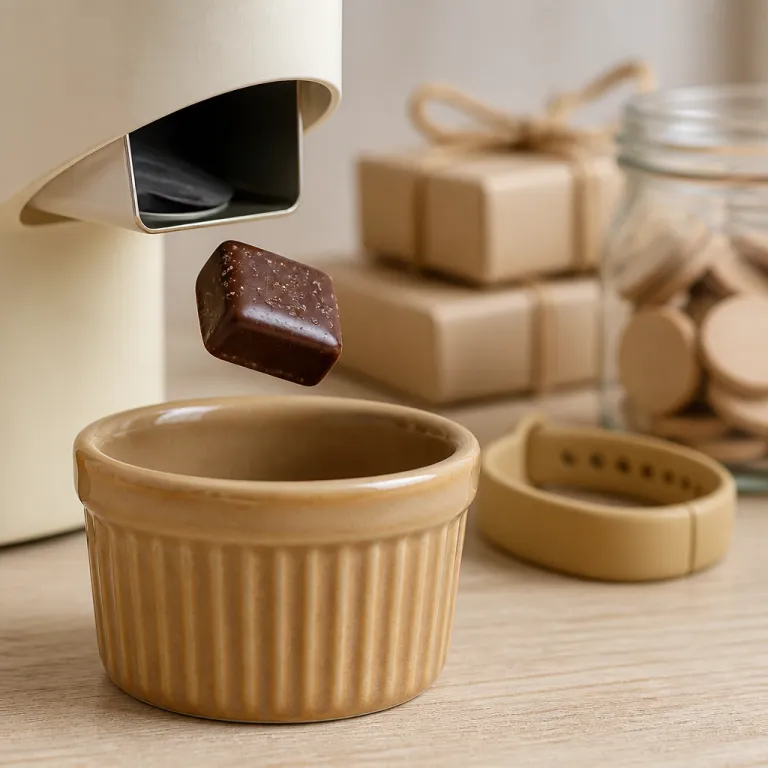
Why smart rewards matter in a weight loss journey
Choosing the right weight loss reward ideas can transform a difficult routine into a sustainable lifestyle change. When each reward is aligned with your health, fitness and long term goals, you reinforce the behaviours that actually help you lose weight. Thoughtful weight loss reward strategies also protect your mental health by celebrating effort, not only the number on the scale.
Psychologists explain that every time you link a small reward to a specific weight loss goal, you strengthen the habit loop in your brain. Instead of relying on willpower all the time, you create automatic associations between a workout, a healthy food choice or a completed weight journal entry and a pleasant treat. Over several weeks this approach turns a fragile weight loss journey into a more resilient routine that helps you stay motivated on hard days.
For people focused on losing weight without sabotaging progress, the biggest shift is moving away from constant food rewards. A reward that undermines your diet and exercise plan, such as a large fast food binge, sends mixed signals to your brain and body. Smart weight loss rewards, by contrast, feel great in the moment and still support your overall health, which is exactly what you need to reach goal milestones consistently.
Non food treats that feel luxurious without derailing progress
In the wellness and beauty deals space, non food reward ideas can feel as satisfying as any dessert. Many readers use a professional manicure pedicure as a milestone reward for each 3 to 5 kilograms of weight loss, turning a beauty appointment into a ritual that honours their effort. This kind of treat supports your confidence, reinforces your self care habits and keeps the focus on health rather than on temporary indulgence.
If you enjoy fashion and fragrances, consider setting clear goals tied to specific items you have saved in your pin interests boards. For example, you might promise yourself a new gym outfit, a high quality body lotion or a wellness gift set once you hit a particular reward target on the scale or in your fitness performance. When you plan these rewards weight purchases in advance, you can also track deals and promotions, using guides about thoughtful gift ideas for clients as inspiration for curating your own personal wellness gift list.
Beauty related rewards work especially well when they are linked to both short term and long term goals. A small reward might be a new nail polish after seven consecutive day streaks of logging your food and workout details, while a bigger reward could be a spa voucher after three months of consistent diet and exercise habits. By separating daily motivation from larger weight loss rewards, you maintain excitement without turning every minor achievement into an excuse for overspending or slipping back into losing weight patterns that do not support your health.
Using journals and bullet journals to track rewards and progress
Writing in a weight journal is one of the most effective ways to connect your daily actions with your long term goals. A simple notebook or a structured bullet journal can hold your workout schedule, your food choices, your mood and your reward ideas in one place. Many people find that the act of taking time to write each day becomes a calming ritual that supports both mental health and consistent weight loss.
When you design your own journal ideas, include dedicated pages for weight loss rewards and for each weight loss goal you set. You might create a habit tracker where every completed workout, every healthy meal and every alcohol free day earns a small point toward a chosen reward, such as a new pair of leggings or a ticket to a wellness event. Some readers even turn this into a game by adding surprise rewards from mystery beauty boxes, similar to the excitement described in detailed unboxing guides for curated lifestyle boxes.
To keep your weight loss journey engaging, use your bullet journal to record non scale victories alongside the numbers. Note when your clothes fit better, when a workout feels easier or when you read a great article that gives you fresh ideas for staying active. Over time these entries help you stay motivated because you can literally read your own progress, see how far you have come and decide which reward ideas genuinely help you reach goal milestones instead of distracting you from them.
Structuring rewards around fitness, health and daily routines
Effective weight loss reward ideas work best when they are tied to specific behaviours rather than random dates. Instead of saying you will treat yourself at the end of the month, connect each reward to a clear action such as completing three strength workouts per week or preparing healthy food at home five evenings in a row. This behaviour based approach ensures that every reward reinforces the exact habits that help you lose weight and protect your health.
One practical method is to divide your goals into daily, weekly and monthly targets, then assign matching rewards weight levels. A daily reward might be as simple as taking extra time for a relaxing bath after a long day of work and exercise, while a weekly reward could be a new playlist or audiobook for your next workout. Monthly weight loss rewards can be more substantial, such as booking a massage, upgrading your running shoes or planning a short wellness focused trip that celebrates your consistent effort.
Remember that your weight loss journey is not only about the scale but also about building a lifestyle you can maintain over the long term. When you choose rewards that support recovery, sleep, stress management and joyful movement, you create a positive feedback loop between your body and your mind. This is where curated wellness deals, such as high performing yet affordable beauty products highlighted in analyses of the drugstore beauty aisle, can play a role by giving you access to quality treats without straining your budget.
Balancing food rewards with healthy eating and diet exercise plans
Many people worry that any food rewards will sabotage their weight loss, yet the reality is more nuanced. Occasional, planned treats can fit into a balanced diet and exercise strategy if they are portion controlled and aligned with your overall calorie and nutrition goals. The key is to avoid using high sugar or ultra processed food as an automatic response to every emotion or minor achievement in your weight loss journey.
Instead of banning all indulgent food, decide in advance how you will integrate them as part of your reward ideas. For example, you might schedule one special meal each week where you enjoy a favourite dish mindfully, after meeting your workout targets and logging your choices in your weight journal. This approach turns food rewards into conscious celebrations rather than impulsive reactions, which helps you stay motivated without feeling deprived over time.
It also helps to broaden your definition of a treat beyond traditional desserts or fast food. A beautifully prepared healthy brunch with friends, a cooking class that teaches nutritious recipes or a picnic featuring colourful salads can all function as rewards that support both social connection and health. By reframing food rewards in this way, you align your weight loss rewards with your long term goal to lose weight, improve fitness and reach goal markers that matter to your overall wellbeing.
Making rewards sustainable, affordable and aligned with real life
For weight loss reward ideas to work over the long term, they must fit your budget, your schedule and your personal values. A reward that requires too much money or travel time will quickly become stressful instead of motivating, especially on busy day stretches when you are juggling work, family and workouts. Sustainable rewards weight strategies focus on small, repeatable treats that you can enjoy regularly without guilt or financial strain.
Consider creating a tiered list of weight loss rewards that ranges from free options to modest splurges. Free rewards might include an afternoon spent reading a great novel, a solo walk in a favourite park or an at home spa evening using products you already own, while mid range rewards could involve a manicure pedicure appointment or a new fragrance that makes you feel confident. Larger rewards, such as a weekend wellness retreat, can be reserved for major milestones in your weight loss journey, like maintaining your weight loss goal for several consecutive months.
To keep everything organised, many readers like to create a one page overview in their bullet journal labelled "rewards plan" with a clear min read summary of each tier. This page can sit next to your main goals list, your workout calendar and your pin interests inspired wish list, so you always know which reward ideas are coming next. When you can read this plan at a glance, it becomes easier to stay motivated, track your progress and reach goal after goal without losing sight of why you wanted to lose weight and improve your health in the first place.
Key statistics on rewards, motivation and weight management
- Data from the National Weight Control Registry indicate that a large majority of successful long term weight maintainers regularly self monitor their behaviour, using tools such as a weight journal or digital tracking apps to reinforce healthy habits.
- Research summarised by the American Psychological Association suggests that behaviour specific rewards can increase adherence to exercise programmes, especially when rewards are linked to clear, measurable goals like workout frequency.
- Studies on food related rewards indicate that people who plan indulgent meals in advance often consume fewer excess calories overall than those who use spontaneous food rewards, highlighting the value of structured reward ideas.
- Data from commercial fitness programmes suggest that participants who set both short term and long term goals, with matching non food rewards, are more likely to reach goal milestones and maintain weight loss after one year.
- Consumer surveys in the wellness and beauty sector show that small self care treats, such as a manicure pedicure or new skincare product, are among the most popular non food rewards for people actively losing weight.
FAQ: weight loss reward ideas and motivation
How often should I give myself a reward during weight loss ?
Most people benefit from small weekly rewards tied to specific behaviours, such as completing planned workouts or logging food consistently. Larger rewards can be reserved for major milestones, like every 3 to 5 kilograms of weight loss or several consecutive weeks of meeting your goals. The key is to ensure each reward reinforces habits that support your health rather than undermining your progress.
Are food rewards always a bad idea when trying to lose weight ?
Food based treats are not automatically harmful, but they need to be planned and portion controlled. Using high calorie food as a frequent, impulsive reward can slow your progress and create unhelpful emotional associations with eating. Occasional, mindful indulgences that fit within your overall diet and exercise plan can work, especially when combined with non food rewards.
What are some affordable non food rewards I can use ?
Affordable options include at home spa evenings, long baths, new playlists, library books, nature walks or movie nights with friends. You can also use low cost beauty items, such as nail polish or face masks, as rewards for hitting specific weight loss goal milestones. The most effective rewards are those that feel genuinely enjoyable while still aligning with your long term health and fitness goals.
How can a journal or bullet journal help me stay motivated ?
A structured weight journal or bullet journal allows you to track workouts, food choices, mood and rewards in one place. Seeing your progress on paper makes it easier to stay motivated, adjust your strategy and celebrate non scale victories. Many people also use journal ideas pages to plan future reward ideas, which keeps their weight loss journey engaging over time.
What should I do if rewards start to feel like pressure instead of motivation ?
If your rewards begin to feel stressful, simplify your system and focus on smaller, more frequent treats that require less planning. You might pause larger rewards for a while and instead celebrate progress with free activities, such as reading, stretching or spending time outdoors. The purpose of any weight loss reward is to support your wellbeing, so it is always acceptable to redesign your plan to better match your current needs.
