Why a baby products budget guide starts with safety tiers
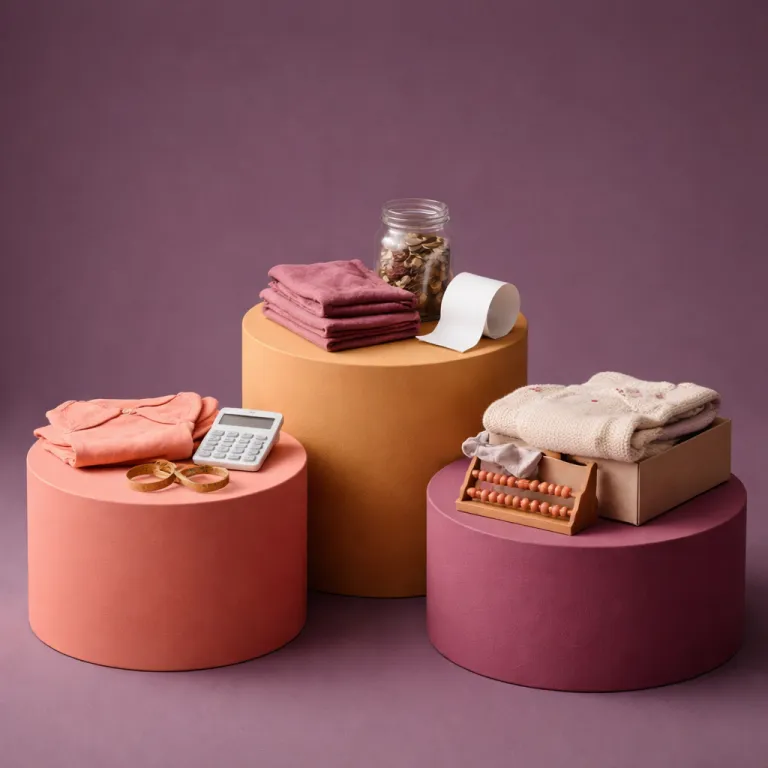
A practical baby products budget guide begins by separating safety from style. When you map every baby item into three clear categories—safety critical, comfort nice to have, and purely optional—you can build a newborn budget checklist that protects your infant without wrecking your financial stability. This tiered framework keeps your outlay on baby gear aligned with real risks rather than marketing pressure.
Safety critical items are the car seat, crib mattress, and any infant car travel system you use daily. For these essentials, the best strategy is not to chase the lowest cost but to insist on new, certified products with clear labels and unexpired dates, because a used convertible car seat or damaged stroller frame can quietly erase safety margins. Organisations such as the U.S. National Highway Traffic Safety Administration (NHTSA) and the American Academy of Pediatrics (AAP) emphasise that car seats must meet current standards and be used exactly as tested, so think of this as the “must buy new” tier in your baby essentials list, where the best baby choice is the one that fits your car correctly, not the one with the most features.
Comfort nice to have items include a baby bath, a mid range stroller, and some baby gifts that make newborn care easier but are not strictly life saving. Optional items are the extra baby gear that piles up on a baby registry because it looks cute, even though your newborn will outgrow many items in a few months. A clear baby products budget guide will help you decide which baby items belong in each tier so your first year spending reflects your values, not the store layout, and you can quickly turn the list into a printable checklist or simple spreadsheet for daily use.
Spend tier: where paying more protects your baby
Some baby essentials justify a premium because failure carries real risk. The first is the car seat, where safety agencies such as NHTSA and European regulators agree that car seats should be bought new, registered with the manufacturer, and checked for recalls, since even a minor crash can compromise the shell or harness. Your financial plan should treat an infant car seat or convertible car seat as non negotiable safety gear, not a place to chase the cheapest bargain.
Always check the expiration date stamped on the underside or side of the car seat shell, because many parents miss that a seat expires after several years due to plastic fatigue and evolving standards. If a friend offers used car seats, politely decline unless you can verify no crash history, no recalls via an official recall search, and a valid expiration date, since the hidden costs of a compromised seat dwarf any savings. When you install the infant car seat in your car, schedule a free inspection with a certified technician during one of your wellness visits or community safety events, which turns a confusing manual into a clear, safe setup.
Other spend tier items include a firm crib mattress, a sturdy stroller frame in any travel system, and reliable health insurance that covers newborn wellness visits without surprise costs. For these baby items, the best baby choice is the one that fits your home, your car, and your baby’s size, even if the upfront cost feels high. Over a full year timeline, the cost per safe use often beats cheaper but poorly fitting baby gear that you replace early.
Families watching every euro on food and baby products often need to offset these safety splurges with savings elsewhere, including on dining out. One practical tactic is to redirect restaurant spending into the spend tier by using kid friendly promotions, such as the free meals for kids offers that some chains run, which can free cash for your safest car seat or crib mattress without raising total monthly costs.
Safety checklist: must buy new items
- Infant or convertible car seat (new, registered, and not expired)
- Crib mattress and primary sleep surface used every night
- Any add on base for your infant car travel system
- Critical hardware for strollers or travel systems (brakes, harnesses, frame)
- Electrical items such as bottle warmers or monitors with frayed cords or missing labels should be replaced rather than reused
Save tier: store brands, subscriptions, and hidden diaper math
The middle tier of any baby products budget guide is where you hunt for value without touching safety. Diapers, wipes, baby bath wash, and many baby food options fall here, because independent testing in Europe and North America often shows that store brands match name brands on performance while costing far less per use. When you compare diapers and diaper wipes, calculate cost per change rather than price per pack, since jumbo boxes and subscriptions can hide higher costs behind big numbers.
For diapers, a diaper subscription can be budget friendly if the per diaper cost undercuts warehouse clubs and big box promotions after all discounts. Run the math across a full year timeline, because a few cents difference per diaper multiplied by thousands of changes becomes one of the largest baby essentials costs, often rivaling the stroller or travel system. For example, using 8 diapers per day at €0.22 each comes to about €52 per month, or more than €600 in the first year, while dropping to €0.18 per diaper saves roughly €175 over the same period.
House brand baby bath products, gentle laundry detergents, and basic baby gifts like muslin cloths often deliver the best budget results without sacrificing quality. For feeding, many families start with the recommended infant formula brand and then, in consultation with their paediatrician, test equivalent store brands to reduce monthly costs while maintaining infant wellness. This save tier logic also applies to mid range baby gear, such as a no frills stroller or simple baby seat for tummy time, where durability and ease of cleaning matter more than premium fabrics.
Planning celebrations around this framework also helps, especially when friends want to contribute baby gifts. A low cost event can still feel generous when you use a structured approach like the one in this guide to plan a baby shower on a budget, which channels guests toward the baby essentials you actually need instead of decorative items that inflate costs, and you can summarise the key items in a downloadable checklist or shared document.
Borrow or secondhand tier: clothing, gear, and the 90 second recall check
The third tier in a baby products budget guide is where borrowing and secondhand shine. Clothing, books, many toys, and some baby gear such as baby carriers or basic bouncers can often be borrowed or bought used with minimal risk if you follow a strict safety checklist. This approach turns budget baby planning into a community project, lowering costs while still protecting your newborn.
Before accepting any secondhand baby items, run a recall search on the manufacturer and model, which usually takes less than 90 seconds on official safety websites. Reject any recalled baby gear, damaged baby bath seats, or strollers with missing parts, because the cost of repair or injury risk outweighs the savings, and never accept a used car seat or travel system base unless you can verify its full history and expiration date. For baby carriers, check stitching, buckles, and weight limits, then test fit with your infant over a soft surface, ensuring that airway and hip positions meet current safety guidance from organisations such as the AAP and national child safety bodies.
Borrowed clothing is almost always a best budget move, since newborn sizes fit for only a few weeks and first year growth spurts make constant replacements inevitable. Focus your baby registry on long lasting baby essentials like a convertible car seat, a durable stroller, and a firm crib mattress, while signalling to friends that secondhand baby gifts such as books and toys are welcome. This strategy keeps your overall spending centred on high impact items while letting relatives express love through low cost, high value contributions.
Whenever you consider a used jumper, swing, or seat, factor in the time you will spend checking recalls, cleaning, and assembling the item. If the time cost and any replacement parts approach the price of a new budget friendly version, buying new may be the smarter financial choice. For ongoing household planning, it also helps to review broader price trends and run a quick audit of your regular retailers using tools like a pre increase price check guide, which can flag when baby items are about to rise in cost.
Projecting a 12 month baby budget and avoiding impulse traps
A strong baby products budget guide does not stop at the newborn phase, because the first twelve months bring shifting needs and surprise costs. Mapping a month by month plan for baby essentials, from diapers and wipes to wellness visits and tummy time gear, helps you see the full financial picture instead of reacting to each sale. This long view turns scattered purchases into a coherent plan that supports your infant and your savings goals.
Start by listing fixed costs such as health insurance premiums, routine wellness visits, and any ongoing childcare, then layer in variable costs like diapers, formula, and baby food as your baby grows. Estimate how many diapers per day you will use in each stage, then multiply by realistic per diaper costs from your preferred retailer or subscription, checking whether a travel system or stroller purchase will overlap with major expenses like rent or seasonal bills. When you see the total first year cost on one page, it becomes easier to delay non essential baby gear, such as a second stroller or extra seat, until your cash flow improves.
Impulse traps often appear in the third trimester, when anxiety and marketing combine to push parents toward buying every gadget labelled as baby essentials. To counter this, freeze your baby registry two months before your due date, commit to your three tier plan, and schedule a calm review of your items list with a trusted friend who has recent newborn experience. One mother described how a single evening with a friend who had a six month old led her to cut her list by a third, freeing several hundred euros for childcare savings instead. This simple routine will keep budget baby decisions grounded in lived reality rather than glossy photos.
Time is another hidden cost, especially when assembling complex baby gear or managing returns. Choose the best baby products not only on price but on how much time they will save during night feeds, tummy time, and daily clean up, because your hours have value too. Over a full year, a slightly higher upfront cost for simpler gear can still be the best budget move when it frees time for rest, work, or older children.
Sample monthly baby cost snapshot (illustrative)
| Category | Estimated monthly cost (EUR) |
|---|---|
| Diapers and wipes | €55–€75 |
| Formula or breastfeeding supplies | €60–€120 |
| Health insurance and wellness visits | €40–€100 |
| Clothing and basic gear | €30–€70 |
| One time items averaged over 12 months (stroller, car seat, crib) | €40–€90 |
Daily routines, hidden costs, and making the most of each purchase
Once your newborn arrives, the real test of any baby products budget guide is how it holds up in daily life. Routines around feeding, sleep, and tummy time quickly reveal which baby items earn their place and which become clutter, so stay willing to adjust your plan as you learn. The goal is not a perfect spreadsheet but a flexible system that keeps both your baby and your financial health on track.
Track how often you actually use each piece of baby gear over a few weeks, then calculate a rough cost per use to see whether the stroller, baby bath, or extra seat justified its price. Items that see daily use, such as a supportive carrier or a compact stroller that fits your car boot, often deserve a higher initial cost because their per use cost falls quickly, while rarely used gadgets can be sold or passed on to improve your budget friendly balance. This ongoing audit helps you refine future purchases and avoid repeating the same costly mistakes with later baby gifts or gear upgrades.
Hidden costs also appear in maintenance, such as special detergents, replacement parts, or extra storage furniture for baby clothes and toys. When you evaluate new baby essentials, ask how much cleaning time they will require, whether they fit your existing car or home layout, and if they might shorten or extend wellness visits by making examinations easier. Over the first year period, these small factors can shift total costs more than a minor price difference at checkout.
Finally, remember that your baby related spending is part of a larger household picture that includes food, transport, and future schooling. Aligning baby items with long term financial goals, such as building an emergency fund or paying down debt, will make each purchase feel more intentional and less reactive. With a clear three tier framework, a simple newborn budget checklist, and regular check ins, you will turn baby products from a source of stress into a manageable, predictable part of family life.
FAQ: baby products budget guide
How much should I budget for baby essentials in the first year ?
Most families find that core baby essentials such as diapers, wipes, formula or breastfeeding supplies, a safe car seat, and a basic stroller add up to several thousand euros over the first year. Surveys in Europe and North America often place typical first year costs for baby items and care in the €3,000–€7,000 range, depending on childcare and healthcare systems, and national consumer groups regularly publish updated figures you can compare with your own situation. The exact amount depends on choices like disposable versus cloth diapers, new versus secondhand clothing, and whether you buy a separate infant car seat or go straight to a convertible car seat. Building a month by month plan that includes health insurance, wellness visits, and realistic diaper costs will give you a clearer personal estimate.
Which baby items should I always buy new for safety reasons ?
Car seats, crib mattresses, and any sleep surface used regularly should always be bought new, with clear labels and no modifications. These items carry the highest safety stakes, and hidden damage or missing parts in secondhand versions can undermine their protection. Guidance from paediatric bodies and road safety agencies consistently highlights the importance of new, properly installed car seats. For strollers and travel systems, new is strongly preferred, while clothing, books, and many toys can safely be secondhand if you check for recalls and obvious wear.
Where can I safely save money without risking my baby’s health ?
Store brand diapers, wipes, baby bath products, and many baby foods are often as effective as name brands at a lower cost per use. You can also borrow or buy secondhand clothing, books, and some baby gear such as carriers or bouncers, provided you check recalls and inspect for damage. Focusing your spending on safety critical items while using budget friendly options for consumables usually delivers the best budget balance and keeps first year baby costs within your target range.
How do I compare diaper subscription services with warehouse clubs ?
Start by calculating the per diaper cost for each option, including all discounts, shipping fees, and taxes. Then project that cost across your expected daily diaper use for several months, comparing the total with warehouse club prices and in store promotions. Subscription services are only truly budget baby options when their per diaper cost stays lower over time and their return policies fit your family’s needs, so include trial sizes and cancellation terms in your comparison.
What is the best way to avoid impulse buying baby gear ?
Use a written three tier plan that labels each potential purchase as safety critical, comfort nice to have, or optional, and commit to waiting at least 24 hours before buying anything outside the safety tier. Keeping a shared list with your partner or a trusted friend helps you check whether an item fills a real gap or just responds to clever marketing. Regularly reviewing your spending and cost per use for existing items will also make it easier to say no to unnecessary gear and keep your newborn budget checklist realistic.
