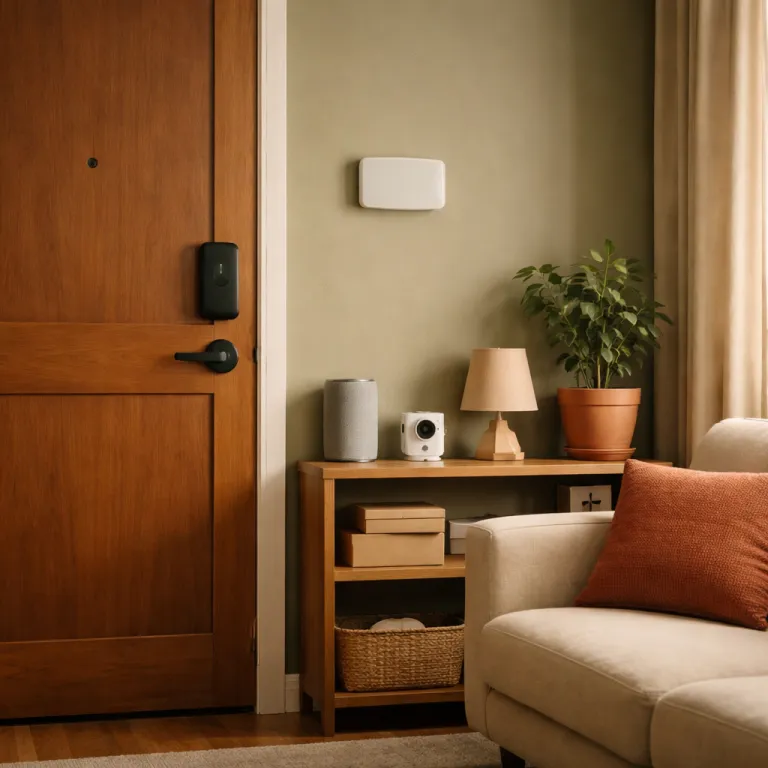
Why a 500 dollar smart home now beats old premium setups
A carefully planned smart home setup under 500 dollars can now outperform older, expensive ecosystems. Matter 1.3 lets every compatible smart device talk to the same hub, so you avoid paying for duplicate systems that lock you into one brand. For a young professional in a first home, that means a budget friendly path to smart devices that feel premium without the premium price.
The core idea is simple yet powerful. You build one flexible smart home system around a Matter certified hub, then add only the home devices that deliver measurable energy savings or real basic security benefits. This approach turns a random pile of smart devices into a coordinated home setup where every smart plug, smart bulb, and thermostat has a clear financial job.
Think of the hub as the brain of your home smart network. A Matter ready hub from Amazon, Google, or Apple lets you control smart lighting, smart plugs, and a smart speaker from different brands without caring who made each device. That single hub keeps your budget smart by preventing you from buying multiple brand specific hubs that sit under your TV and quietly waste both money and energy.
For voice control, an Echo Dot or similar smart speaker with Amazon Alexa or another voice assistant becomes your daily remote. You can say one command to control smart bulbs, a smart plug, or the thermostat instead of juggling apps. This kind of unified control experience is what finally makes a smart home feel less like a tech hobby and more like a practical home upgrade.
The 500 dollar core kit and how to allocate your budget
To keep a smart home setup under 500 dollars, you need a disciplined shopping list. A realistic starter kit includes one smart thermostat, two smart plugs, two LED smart bulbs, one motion sensor, and one Matter compatible hub or smart speaker that can act as a hub. That mix gives you energy savings, lighting comfort, and basic security without drifting into expensive extras.
Start with the thermostat because it drives the biggest long term energy savings. Ecobee reports in its published impact analysis that households save up to 23% on heating and cooling, averaging around 220 USD per year in typical energy rates, though actual savings vary by climate, insulation, and usage patterns. Whether you choose a Nest style thermostat or another brand, make sure the device supports Matter or at least works reliably with your chosen hub and voice assistant.
Next, allocate part of your budget to two or more smart plugs for always on electronics. Use each smart plug on a television, game console, or office setup that draws standby power, then schedule the plugs under a nightly shutdown routine through your hub. Smart plugs and smart devices like these can trim several watts per hour, which adds up over months in a small home.
Finish the core kit with two smart bulbs and a motion sensor for smart lighting. Place the smart bulbs in high use rooms such as the living room and bedroom, then use the motion sensor to automate lighting when you enter or leave. This basic lighting automation improves comfort, supports basic security by making the home look occupied, and keeps your budget friendly by focusing on the rooms where bulbs and plugs bulbs actually change your bill.
When you shop, compare new and refurbished options carefully. A detailed refurbished electronics checklist, such as the one outlined in this refurbished protection guide, helps you judge whether a discounted smart device from Amazon or another retailer is worth the risk or if a new hub or thermostat is the safer long term bet.
Matter 1.3 and why the right hub protects your budget
The biggest shift making a smart home setup under 500 dollars realistic is Matter 1.3. This open standard finally lets smart devices from different brands join the same automation system without clunky workarounds, so your hub becomes a neutral referee instead of a gatekeeper. For deal conscious shoppers, that means you can buy the best value thermostat, smart bulbs, or smart plug on sale without worrying about ecosystem lock in.
Choosing a Matter capable hub is therefore a strategic budget decision. A compact smart speaker such as an Echo Dot with Amazon Alexa, a Nest hub, or another Matter ready device can act as both voice assistant and hub, reducing hardware clutter and cost. Once that hub is in place, you can add smart lighting, smart plugs, and other home devices from Amazon, TP Link, or smaller brands as long as they carry the Matter logo.
This flexibility changes how you hunt for deals across the smart home category. Instead of buying into one closed smart home system, you can chase the best price on each device type while keeping control unified through a single app and voice assistant. During big retail events, using a structured savings playbook for seasonal sales helps you stack coupons and timing to keep every new smart device under your target budget.
In practical terms, Matter 1.3 also simplifies automation. You can create one routine that turns off all smart bulbs, powers down smart plugs, and sets the thermostat to eco mode when you leave home, regardless of brand. Some advanced features, such as camera analytics or vendor specific energy reports, may still require the manufacturer’s app, but the everyday automations run through your hub. That unified control experience is what makes a 500 dollar home setup feel like a cohesive home smart upgrade instead of a messy pile of incompatible gadgets.
Energy savings math and which smart devices actually pay off
To judge whether a smart home setup under 500 dollars is truly budget friendly, you need to run the numbers. Start with heating and cooling, because the thermostat is usually the largest energy lever in a typical home. If a smart thermostat delivers around 220 USD in annual energy savings, as reported by Ecobee and similar manufacturers in their impact studies, you effectively recover nearly half of your total smart home spend in the first year.
Smart plugs come next in the savings hierarchy. Use each smart plug on a device that quietly draws power all day, such as a media center, gaming console, or desktop computer, then schedule the plug under an overnight shutdown routine through your hub. Over a year, cutting ten to twenty watts of standby draw per device can translate into meaningful energy savings, especially in a compact apartment where every kilowatt hour matters.
Smart bulbs and broader smart lighting upgrades are more about comfort and moderate savings. Replacing old incandescent bulbs with LED smart bulbs reduces wattage immediately, while motion based automation ensures lights are not left on in empty rooms. The real financial win comes when smart bulbs are used in high traffic areas and tied into your automation system so that one voice assistant command or app tap can shut down the entire home lighting scene.
Not every smart device earns its keep in a first home setup. Smart appliances, connected fridges, and subscription heavy security cameras often cost far more than they save, especially when you factor in monthly cloud fees. For a budget smart strategy, focus on the thermostat, smart plugs, smart bulbs, and a reliable hub, then revisit premium categories later once your core automation and basic security needs are covered.
When evaluating deals, remember that the lowest sticker price is not always the best value. Look at warranty length, return policies, and whether the device supports Matter and your chosen voice assistant, because compatibility issues can quietly erase any upfront savings. A structured approach to coupons and loyalty programs can further stretch your budget without pushing you toward unnecessary home devices.
Security, insurance perks, and what to skip in your first kit
A smart home setup under 500 dollars can also strengthen basic security without turning your living room into a surveillance center. Start with simple measures such as smart lighting schedules that make the home look occupied and door sensors that alert you through the hub if something opens unexpectedly. These basic security layers use the same smart devices you already bought for energy savings, which keeps your budget smart and efficient.
Some insurance companies report premium reductions of roughly fifteen to twenty five percent for monitored homes, especially when you use certified security systems, though actual discounts depend on the insurer and policy. To qualify, you may need a combination of door sensors, motion detectors, and sometimes professional monitoring, so check your policy details before buying extra devices. In many cases, a modest investment in a compatible security hub and a few additional sensors can nudge your smart home into a category that earns a recurring discount.
That said, not every security gadget belongs in a first home setup. High end cameras with mandatory cloud subscriptions, smart locks that require professional installation, and brand specific security hubs can push your total well beyond a smart home setup under 500 dollars without delivering proportional benefits. Focus instead on a flexible Matter hub, a smart speaker with a reliable voice assistant, and a handful of smart devices that serve both security and energy roles.
As your needs evolve, you can layer in more advanced smart home features. Because Matter 1.3 reduces ecosystem friction, you will be able to add new smart plugs, bulbs, or even a Nest style camera later without replacing your existing hub. That long term flexibility is the quiet advantage of building a home smart system around open standards rather than chasing the latest closed bundle from a single retailer.
Throughout this process, treat every purchase as part of a coherent home setup rather than a one off gadget. Ask whether each new device strengthens your automation routines, improves energy savings, or enhances basic security in a measurable way. If it does not, it probably belongs on your skip list until your budget and priorities change.
Key statistics for smart home value and adoption
- Households using a modern smart thermostat report around 23% savings on heating and cooling costs, which can equal roughly 220 USD per year in typical conditions, according to manufacturer impact studies that summarize customer usage data.
- Smart home device adoption has grown by more than thirty percent year over year in recent industry surveys, reflecting a rapid shift from niche hobby to mainstream home upgrade.
- Insurance companies may offer premium reductions in the range of fifteen to twenty five percent for homes equipped with qualifying monitored security systems, based on publicly shared insurer discount tables and policy documentation.
- A carefully planned smart home setup under 500 dollars can recover a large share of its cost within the first year through combined energy savings and potential insurance discounts, especially in smaller homes with higher relative heating and cooling loads.
Frequently asked questions about a smart home setup under 500 dollars
Is a smart home setup under 500 dollars really worth it for a small apartment ?
For a small apartment, a smart home setup under 500 dollars can be especially cost effective because you need fewer devices to cover your space. A single thermostat, a couple of smart plugs, and a few smart bulbs can manage most of your energy use and lighting. When you add a Matter compatible hub or smart speaker, you gain centralized control without overspending on redundant hardware.
Which smart home devices should I buy first on a tight budget ?
On a tight budget, prioritize a smart thermostat, two smart plugs, and two smart bulbs before anything else. These devices deliver the clearest mix of energy savings, comfort, and basic security when tied into a single hub or voice assistant. Once those essentials are in place, you can gradually add more smart devices such as sensors or extra lighting as your budget allows.
Do I need a separate hub if I already have a smart speaker ?
Many modern smart speakers, such as an Echo Dot or similar models, can act as a Matter compatible hub for a modest smart home. If your speaker supports Matter and your chosen voice assistant, it can usually manage smart plugs, bulbs, and other home devices without a separate box. Check the specifications carefully, because using one device as both hub and smart speaker is an easy way to keep your setup under 500 dollars.
How can I avoid wasting money on smart devices I will not use ?
Before buying any new smart device, decide exactly which problem it will solve, such as reducing standby power or improving basic security. Focus on high impact categories like thermostats, smart plugs, and smart lighting, and skip flashy gadgets that require subscriptions or complex installation. Building your home setup around clear goals and a single Matter hub helps you maintain streamlined routines and prevents impulse purchases from eroding your budget.
Are refurbished smart home devices a safe way to save money ?
Refurbished smart home devices can be a safe way to stretch your budget if they come with a solid warranty, clear grading, and verified compatibility with Matter and your voice assistant. Always read the return policy and check whether firmware updates are still supported for the refurbished model. When in doubt, pay slightly more for a new thermostat or hub, because those core components anchor your entire smart home system.
