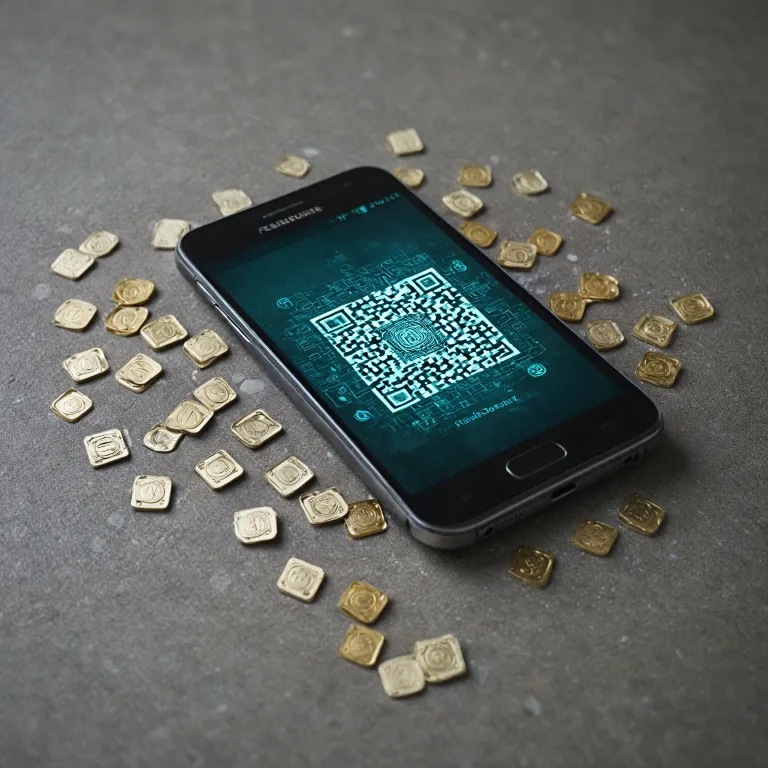
Understanding cash app QR code free money claims
Many users hear about cash app QR code free money and feel intrigued. The idea that a simple app code or scan code could unlock instant cash sounds appealing, yet it demands careful scrutiny and a deep look at how digital payments operate. Anyone using a payment app must understand what is legitimate, what is marketing, and what is outright fraud.
Cash App is a mobile app that lets people send money, receive payments, and manage a simple app card linked to their balance. When someone shares a cashtag or app profile, they create a profile link that others can use to send money directly, often faster than a traditional credit card transfer. The promise of free money usually appears when creators share codes, links, or scanning codes that claim to reward both sides.
In practice, a cash app QR code free money promotion usually involves a referral or reward program. A user may create cash referrals through a deep link or app deep referral that tracks who invited whom, then the app credits both accounts after a qualifying payment. These promotions are not magic money codes but structured incentives that require specific payments or card usage.
Scams exploit the same language and visuals, using fake code generator tools or money code offers. Fraudsters may circulate code cash images on social media, encouraging people to scan codes or click a deep link that leads to phishing pages. Responsible users should only open cash promotions from the official app, never from random codes payments posts or suspicious app cash generators.
How QR codes, links, and profiles really move money
Behind every cash app QR code free money claim lies a technical process that connects a user’s app profile to a secure payment flow. When you scan a QR code within the app, the software reads the embedded app code and converts it into a deep link that opens a specific screen, such as a profile or payment page. This deep link ensures that the payment or send money action is tied to the correct cashtag and profile link.
Legitimate QR codes and scan codes generated by Cash App or similar services are simply shortcuts. They help people open cash payment screens faster, reduce typing errors in cashtags, and streamline payments for small businesses that accept app card or credit card funded transfers. When a merchant displays codes payments on a counter, customers can scan code images, confirm the amount, and complete payments in seconds.
Referral campaigns that mention cash app QR code free money usually connect a new user’s registration to an existing user’s profile through a deep link. The app may require the new user to create cash deposits, send money once, or order a card before any money code reward is released. In this context, the word free often means conditional, because the promotion depends on specific payments or activity.
Some websites advertise a universal code generator or app cash generator that promises unlimited rewards. These tools cannot access the secure payment rails or the official app deep systems that process real payments, so they rely on misleading forms and fake scanning codes. When evaluating any offer, it is wise to read the official terms and, for broader digital savings strategies, consult resources such as an ultra mobile coupon code guide that explains how genuine promotions are structured.
Comparing Cash App, PayPal, and card based incentives
People often compare cash app QR code free money offers with similar promotions from PayPal or traditional card issuers. PayPal sometimes provides referral bonuses when users create accounts through a deep link and complete qualifying payments, mirroring the structure of app cash incentives. Credit card companies may also issue money code style coupons or statement credits when customers meet spending thresholds.
In each case, the app, card, or PayPal account relies on secure app code systems rather than any external code generator. When you send money or receive payments, the platform records the transaction against your app profile, cashtag, or email, then applies rewards according to its rules. The presence of QR codes or scan codes simply makes it easier to open cash payment screens or confirm the correct profile link.
Users should be wary of third party websites that promise to boost cash app QR code free money rewards by linking multiple accounts. These schemes often ask for login details, card numbers, or social media credentials, exposing people to identity theft and unauthorized payments. A safer approach is to rely on official referral programs, read the fine print, and compare them with other services using independent reviews, such as analyses of which provider really serves your home best in the connectivity space.
For everyday users, the most reliable benefits come from structured promotions rather than miracle scanning codes. Whether using Cash App, PayPal, or a credit card, the key is to create cash habits that align with your budget and risk tolerance. By treating every money code or deep link as a tool, not a shortcut to effortless wealth, you maintain control over your payments and protect your financial profile.
Security risks behind free money promises and code generators
The phrase cash app QR code free money often hides serious security risks for inattentive users. Fraudsters exploit the trust people place in an app, a familiar cashtag, or a professional looking profile link to push malicious deep links. Once someone agrees to open cash requests or scan codes from unknown sources, they may authorize payments they never intended.
One common tactic involves fake support profiles on social media that mimic official Cash App or PayPal accounts. These impostors share app code images, claim to run giveaways, and direct victims to external websites that host a supposed code generator or app cash booster. After scanning codes or entering card and login details, victims may see unauthorized payments, drained balances, or compromised credit card information.
Another risk comes from QR stickers placed over legitimate scan code displays in shops or public spaces. When a customer scans what appears to be a normal payment code, the deep link may redirect to a fraudulent app profile that collects money instead of sending it to the merchant. This type of attack shows how scanning codes can be weaponized when people assume every code cash image is safe.
To reduce exposure, users should verify cashtags, check profile photos, and confirm amounts before they send money. It is safer to create cash payments directly inside the app by searching for a known cashtag rather than relying solely on scan codes. For broader digital hygiene, combining secure payment habits with a stable internet connection chosen through a reliable speed and stability comparison helps ensure that app deep links and payments are less likely to be intercepted or spoofed.
Practical ways to use QR codes and links safely
Instead of chasing cash app QR code free money myths, users can focus on practical, safe ways to use QR codes and deep links. A small business owner can create cash payment QR posters that connect directly to the company cashtag and app profile, reducing friction at checkout. Customers simply scan code images, verify the profile link, and complete payments without sharing card details aloud.
Individuals can also use scan codes to split bills, send money to friends, or support creators on social media. When someone shares an app profile or cashtag in a post, a deep link can open cash payment screens with the amount prefilled, saving time and avoiding typing errors. These app deep features are designed for convenience, not for unlimited free money, and they work best when users double check every payment.
For those seeking legitimate rewards, referral programs remain the most realistic form of cash app QR code free money. A user can create a profile link, share it with trusted contacts, and earn bonuses when new users complete qualifying payments or order an app card. These incentives resemble traditional credit card signup bonuses, where money code style offers are tied to specific spending or activity requirements.
Good ideas for staying safe include avoiding any external code generator, never entering login details after scanning codes, and keeping the app updated. Users should also monitor their payments history regularly, report suspicious code cash activity, and contact official support channels within the app. By treating QR codes and deep links as tools for faster payments rather than shortcuts to wealth, people can enjoy the benefits of modern apps without unnecessary risk.
Evaluating deals, promotions, and social media giveaways
Many cash app QR code free money narratives spread through social media, where giveaways and contests attract attention. Influencers may share scan codes, app code images, or deep links that promise to send money to random followers who comment or share posts. While some promotions are genuine, others rely on vague rules, unverified profiles, and unrealistic money code claims.
When evaluating such deals, start by checking whether the profile link belongs to a verified account or a newly created app profile with little history. Genuine brands and established creators usually explain how payments, codes payments, and rewards will be processed, often specifying that winners must create cash accounts or confirm cashtags. Vague promises of instant app cash with no conditions should raise immediate doubts.
Another red flag appears when a giveaway requires users to visit external websites that host a code generator or app deep booster. These pages may ask people to scan codes repeatedly, complete unrelated surveys, or enter credit card details to unlock supposed rewards. In reality, scanning codes in this context often generates advertising revenue for the site owner rather than any cash app QR code free money for participants.
Responsible users treat every offer as a deal to be analyzed, not a guarantee. They compare the effort required, the transparency of the organizer, and the security of the app, card, or PayPal payment channels involved. By applying the same critical thinking used for other financial decisions, such as choosing a mobile plan or internet provider, they avoid the traps hidden behind flashy code cash graphics and unrealistic promises.
Key takeaways for people seeking reliable information on QR money offers
For anyone researching cash app QR code free money, the most important lesson is that no app can bypass the basic rules of finance. Every payment, whether made through Cash App, PayPal, a credit card, or an app card, must be funded by real money from somewhere. QR codes, deep links, and app code tools simply make it easier to send money, receive payments, and connect to the correct app profile.
Users should focus on transparent, rule based promotions such as official referral programs that clearly explain how to create cash rewards. These programs may require new users to open cash accounts, complete specific payments, or order cards before any money code bonus appears. By contrast, any offer that relies on an external code generator, vague scanning codes instructions, or unverified social media profiles deserves skepticism.
Practical safety habits include verifying cashtags, checking profile link details, and avoiding unknown scan codes in public spaces. People should also monitor their payments history, secure their devices, and treat every deep link with caution, especially when it appears in unsolicited messages. When in doubt, it is safer to create payments manually inside the app rather than trusting code cash images from strangers.
Ultimately, QR codes and deep links are powerful tools for modern payments when used correctly. They help individuals and businesses streamline codes payments, reduce errors, and manage app cash flows more efficiently. By combining informed skepticism with careful use of scan code features, users can benefit from digital payments without falling for unrealistic free money narratives.
Key statistics about QR payments and digital incentives
- Global usage of QR based payments has grown rapidly across mobile apps and card linked wallets, reflecting rising trust in scan code technology.
- Referral and incentive programs remain a small but influential share of total digital payments, with most transactions still driven by everyday purchases rather than money code rewards.
- Security reports consistently show that phishing attacks and fake code generator sites are among the most common threats targeting users of payment apps.
- Surveys indicate that users who regularly review their payments history and verify profile details experience significantly fewer unauthorized transactions.
Questions people also ask about cash app QR code free money
Is cash app QR code free money ever truly free ?
In most cases, cash app QR code free money refers to conditional rewards, such as referral bonuses that require new users to sign up, complete payments, or order a card. The QR code or deep link simply tracks who invited whom, while the app applies rewards according to published rules. There is no unlimited or effortless source of money, only structured incentives funded by the platform’s marketing budget.
How can I tell if a QR code offer is a scam ?
Warning signs include requests for login credentials, card numbers, or personal data after you scan codes or click a deep link. Fake offers often rely on external code generator websites, vague promises of instant app cash, and unverified social media profiles. Legitimate promotions are hosted inside the official app, explain requirements clearly, and never ask you to bypass normal security steps.
Are QR payments safer than using a physical card ?
QR payments can be safer because they reduce the need to hand over a physical card or type numbers on shared terminals. When you scan code images inside a trusted app, the transaction uses encrypted channels and tokenized details rather than exposing your full credit card number. However, safety still depends on verifying the recipient, checking amounts, and avoiding tampered or suspicious scan codes.
What should I do if I sent money to the wrong QR profile ?
If you send money to the wrong app profile after scanning codes, contact the app’s support team immediately and provide transaction details. Some platforms may reverse payments in limited circumstances, but many transfers are final once completed. To reduce this risk, always confirm the cashtag, profile photo, and amount before you approve any payment.
Can I use QR codes to receive payments for my small business ?
Yes, many payment apps allow merchants to create cash QR codes that link directly to a business cashtag or profile link. Customers can scan code images at the counter, confirm the amount, and complete payments without touching a terminal. This approach simplifies checkout, reduces errors, and can integrate with existing app card or credit card funding sources for smoother cash flow management.
