Framing the appliance repair vs replace decision for family budgets
When a major appliance fails, the first shock is rarely technical; it is the sudden hit to your monthly budget and the pressure to make a fast choice. The appliance repair vs replace decision sits at the crossroads of repair costs, energy efficiency, and how long you realistically expect the machine to keep running without new issues. For a family shopper juggling school fees, groceries, and rent, the goal is not just to fix a problem today but to make a cost effective move that protects cash flow over the long term.
Think of every broken appliance as a small business case, where you compare the total cost of appliance repair against the full replacement cost of newer appliances, including tariffs that can add 50 to 70 dollars per unit according to industry executives. The right decision balances repair cost, expected years of remaining performance, and the energy savings that an energy efficient model can deliver over time, rather than chasing the lowest sticker price. This is where a clear repair replace framework helps you slow the process, ask the right questions, and avoid both unnecessary repairs and premature replacement.
For deal conscious households, the first step is to list the appliance age, the quoted repair costs, and the price of a comparable replacement, then layer in energy, service, and time factors. That simple worksheet turns an emotional decision into a structured repair replacement comparison that you can repeat for fridges, washers, dishwashers, and other appliances. Once you see the numbers side by side, it becomes easier to judge whether the unit is worth repairing or whether it is time to replace appliance models that have become chronic money drains.
Question 1: appliance age, lifespan tiers, and when older appliances cross the line
Age is the backbone of any appliance repair vs replace decision, because every machine has a typical lifespan range. Large appliances such as washing machines, dishwashers, and fridges often last around eight to twelve years, while manufacturers usually guarantee replacement parts availability for about seven years after production stops. If your appliance age is under half of that expected duration, repair is usually the rational first move, especially when repair costs stay well below half of a new unit’s cost.
Once an appliance moves past roughly 75 percent of its expected lifespan, the math shifts, and older appliances become riskier bets even if a single repair cost looks manageable today. At that stage, each new fault raises questions about long term reliability, the shrinking supply of appliance parts, and whether future repairs will require expensive special order replacement parts or extended appliance service delays. For a family that cannot afford repeated downtime, the time cost of waiting for repair services and the risk of cascading issues often outweigh the short term savings of another patch.
There is also a hidden energy angle when you compare older appliances with newer appliances that meet stricter energy efficiency standards. An older fridge or washer may still run, but its energy performance can lag so far behind that the extra electricity cost over three years rivals a modest replacement cost. When you factor in both energy and repair, an appliance that seemed worth repairing on age alone can quickly look like a candidate to replace appliance models with more efficient designs and better performance guarantees.
Age based thinking also applies to smaller but essential devices, from dehumidifiers to air conditioners, where seasonal energy use can be high. For example, when planning a new air conditioner purchase, understanding how pricing peaks work can be as important as judging whether to repair or replace, and guides on air conditioner pricing strategies can help you time that move between seasonal spikes. The same disciplined approach to appliance repairs, lifespan tiers, and energy efficient upgrades keeps you from overpaying just because a breakdown happened at the worst possible moment.
Finally, remember that not all older units are equal, since some brands maintain better stocks of replacement parts and offer more transparent appliance service histories. When you evaluate older appliances, ask whether the manufacturer still supports the model, whether professional appliance technicians can easily access repair services, and whether any extended warranties remain in force. Those practical details can tilt the decision toward one more round of appliance repair or toward a planned replacement that you schedule on your own terms rather than in crisis mode.
Question 2: which parts failed, and what that says about future performance
Not every failure carries the same message, so the specific parts that break should heavily influence your appliance repair vs replace decision. High stress components such as compressors in fridges, motors in washers, and electronic control boards in many appliances work constantly and are expensive to replace when they fail. When one of these core parts dies on an older appliance, the repair cost often climbs into the 200 to 450 dollar range that technicians quote for major appliance repairs, and that is before you factor in the risk of another major failure within a few years.
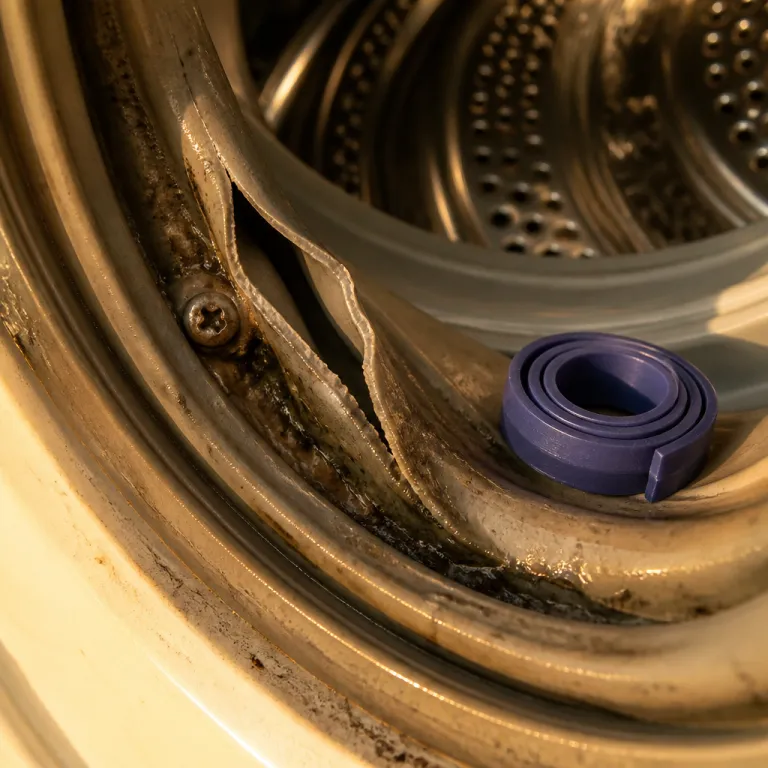
By contrast, peripheral appliance parts such as door seals, hoses, belts, or simple switches are usually cheaper replacement parts with shorter repair times and lower labor costs. A broken door latch or worn belt on a relatively young machine is often worth repairing, because the underlying performance of the appliance remains strong once that minor issue is fixed. In these cases, a targeted repair replacement of one or two parts can restore full efficiency without committing you to the financial and environmental cost of scrapping an otherwise healthy unit.
Ask the technician to name the failed parts, explain whether they are high stress or peripheral, and outline any related issues they see developing. That conversation helps you judge whether this repair is a one off event or a sign that the appliance is entering a phase of repeated repairs and declining performance. When a professional appliance specialist warns that multiple components show wear, it may be smarter to replace appliance models now rather than pay for a series of short lived fixes that erode your budget over time.
Understanding which components tend to fail first also sharpens your shopping strategy when you eventually choose a replacement. For example, if a previous washer suffered repeated control board failures, you might prioritize simpler designs with fewer electronic parts, and you might research reliability data as carefully as price tags. In some consumer technology markets, such as lie detector equipment, buyers already scrutinize component level reliability and service options before committing, and that same mindset can protect you when comparing household appliances and their long term repair services exposure.
Finally, keep a simple record of past repairs, including which parts were replaced and how long each fix lasted, because patterns matter. If you see that the same type of component fails every couple of years, the appliance is signaling that it is no longer cost effective to keep in service. That history turns a vague feeling of frustration into concrete evidence that the next appliance repair is unlikely to deliver the years of reliable performance your household needs.
Question 3: unpacking repair costs, services, and hidden time penalties
Price quotes for appliance repair can look deceptively simple, but a smart appliance repair vs replace decision requires you to unpack every line item. A typical invoice blends the cost of appliance parts, the labor rate, a diagnostic fee, and sometimes a separate charge for return visits if the first repair does not solve all issues. When you compare that total repair cost with the price of a new appliance, you need to include the value of your time, the risk of repeat breakdowns, and the length of any warranty on both parts and labor.
Ask the technician or appliance service company to separate parts, labor, and any extra services such as haul away or installation, then request written details on warranties for both repairs and replacement parts. A repair that costs 300 dollars but includes a one year parts and labor guarantee may be more cost effective than a cheaper 200 dollar fix that offers only 30 days of coverage and no protection against related issues. For families with tight schedules, the time cost of waiting for repair services, taking time off work, and living without a key appliance can be as painful as the financial cost, especially when laundry or refrigeration is disrupted.
When you evaluate repair costs against replacement, do not forget to compare them with the total ownership cost of a new unit, including delivery, installation, and any extended service plans you might reasonably buy. Some retailers bundle appliance service packages that cover multiple appliances, which can change the long term math if you expect several older appliances to age out within a few years. In that scenario, a slightly higher upfront replacement cost may still be the better repair replace choice, because it caps future repair costs and stabilizes your household budget.
Deal hunters can also apply the same analytical mindset used for seasonal shopping events to appliance decisions. Tools that help you plan around major sales, such as guides on using a Black Friday generator for unbeatable deals, can be repurposed to track price trends on specific models and alert you when a replacement becomes genuinely attractive. That way, if a repair keeps an appliance limping along for another year, you can line up a well timed, cost effective replacement instead of paying full price in a panic when it finally fails.
Finally, remember that not all professional appliance providers structure their services the same way, so it pays to compare at least two quotes for significant repairs. One company may charge higher labor but include generous warranties and faster response times, while another offers lower upfront costs but limited follow up support. Choosing the right mix of repair services, warranty coverage, and time savings ensures that your appliance repairs deliver real value rather than just postponing an inevitable and more expensive replacement.
Question 4: comparing refurbished, open box, and rental options to full replacement
When a major appliance fails, the choice is not always a simple binary between repair and buying a brand new replacement. Refurbished and open box appliances from reputable sellers can offer a middle path, where you replace appliance units at a lower cost while still gaining better energy efficiency and performance than many older appliances provide. For budget conscious families, these alternatives can stretch limited funds without locking you into another decade with a model that already shows design weaknesses.
To evaluate a refurbished appliance against repair costs, compare the total price, including delivery and any appliance service plan, with the quoted repair cost for your existing unit. If a certified refurbished washer costs only slightly more than a major repair and comes with a one year warranty, the long term risk may be lower than keeping an aging machine that has already needed several appliance repairs. Open box appliances, which are often customer returns with minor cosmetic flaws, can also deliver strong value when they include full manufacturer warranties and access to standard replacement parts inventories.
Rental and laundromat options deserve a place in your decision tree, especially for renters, students, or households in transition. If you expect to move within a couple of years, it may be more cost effective to use a laundromat or short term rental service rather than invest in a new washer that will be expensive to move or resell. In that scenario, the time and energy costs of traveling to a laundromat must be weighed against the financial burden of either repair replacement or full ownership, but the flexibility can be worth it.
When you compare these alternatives, keep an eye on energy efficiency labels, because an energy efficient refurbished model can still cut your utility bills compared with very old equipment. Over three years, the energy savings from newer appliances can offset a meaningful share of the initial replacement cost, especially for high use items like fridges and dryers. That is why every appliance repair vs replace decision should include a simple calculation of expected energy savings, not just a snapshot of today’s invoice.
Finally, be cautious about brand loyalty when choosing any replacement, whether new, refurbished, or open box, because the model that failed you is not always the best reference point. Reliability data from independent testing organizations often show that some brands perform better in certain categories than others, and your own history of issues should carry real weight. By treating each decision as a fresh comparison of costs, performance, and services, you avoid repeating past mistakes and give your household a more stable, predictable appliance lineup.
Question 5: energy efficiency payback, tariffs, and a simple decision tree you can reuse
Energy efficiency is the quiet lever that can tilt an appliance repair vs replace decision, especially over a three year horizon. Newer appliances often use significantly less energy and water than older appliances, which means that the monthly savings on utility bills can gradually repay part of the replacement cost. To judge whether a unit is worth repairing, estimate how much more energy your current appliance consumes compared with an energy efficient model, then multiply that difference by your local energy cost over three years.
Tariffs and supply chain pressures have pushed new appliance prices higher, with some industry leaders estimating an extra 50 to 70 dollars per unit in tariff exposure alone. That reality makes repair replacement decisions more delicate, because the gap between repair costs and replacement costs may be narrower than in the past, especially for mid range models. However, when you factor in energy savings, longer warranties, and improved performance, a higher upfront cost can still be the more cost effective choice over the long term.
A practical decision tree for most families starts with age, then moves through parts, costs, and energy. If the appliance age is under 50 percent of its expected lifespan and the repair cost is under 30 percent of replacement, repair is usually sensible, especially when the failed parts are peripheral and energy efficiency is still reasonable. If the appliance is past 75 percent of its lifespan, the failed component is a major one, and the repair cost exceeds 40 to 50 percent of a comparable replacement, it is usually time to replace appliance models and reset the clock on reliability.
Between those extremes, you can lean on a few tie breakers, such as the availability of replacement parts, the quality of local professional appliance services, and your tolerance for downtime. If parts are scarce, repair services are slow, and the appliance has a history of recurring issues, the long term risk of more appliance repairs may outweigh the short term savings. On the other hand, if you have a trusted appliance service provider, easy access to affordable appliance parts, and a generally reliable machine, one more repair can be a rational bridge to a better timed upgrade.
Finally, remember that every repair replace decision you make teaches you something about your household’s real needs, usage patterns, and budget constraints. Keep simple notes on repair costs, energy bills, and performance over the years, so your next decision is grounded in your own data rather than guesswork. That habit turns you into a more confident, methodical shopper who can navigate tariffs, shifting energy prices, and evolving appliance designs without feeling trapped by the next unexpected breakdown.
FAQ: appliance repair vs replace decision
How much should I spend on repairing an older appliance?
A common rule is to avoid spending more than 40 to 50 percent of the replacement cost on a single repair for older appliances. If the appliance age is high and the failed parts are major components, leaning toward replacement usually protects you from repeated repair costs. For relatively young appliances with minor issues, spending less than 30 percent of the replacement price on appliance repair is often reasonable.
Does energy efficiency really justify replacing a working appliance?
Energy efficiency gains can justify replacement when an older appliance uses significantly more electricity or water than newer appliances. Over three years, the savings from an energy efficient model can add up, especially for fridges, freezers, and dryers that run frequently. If the projected energy savings cover a meaningful share of the replacement cost, upgrading can be more cost effective than continuing to run a very inefficient unit.
When is it better to rent or use a laundromat instead of repairing?
Renting or using a laundromat makes sense when you expect to move soon or when the cost of ownership is hard to recover. Students, short term renters, or households without stable space for appliances may find that repair replacement decisions matter less than flexibility. In those cases, comparing monthly rental fees and laundromat costs with the total cost of buying, repairing, and moving appliances can reveal that non ownership is the smarter option.
How do I judge the quality of a repair service quote?
A strong quote clearly separates parts, labor, diagnostic fees, and any extra services, and it specifies warranties on both parts and work. Look for appliance service providers who explain which parts failed, why, and what other issues they checked for during the visit. Comparing at least two quotes for major appliance repairs helps you see whether a higher price reflects better parts, longer warranties, or simply higher margins.
Are refurbished or open box appliances a safe alternative to new models?
Refurbished and open box appliances from reputable sellers can be safe and cost effective, especially when they include solid warranties and access to standard replacement parts. They often offer better performance and energy efficiency than very old appliances at a lower cost than brand new models. Always verify the warranty terms, return policy, and the availability of professional appliance support before committing to these alternatives.