How to read an aldi vs costco vs walmart comparison for your family
Every aldi vs costco vs walmart comparison starts with one blunt fact. Price is the headline, but how you grocery shop each week decides whether those prices actually help you save money. Your household size, driving distance to each store, and brand loyalty on key grocery items quietly shape which format is better for you.
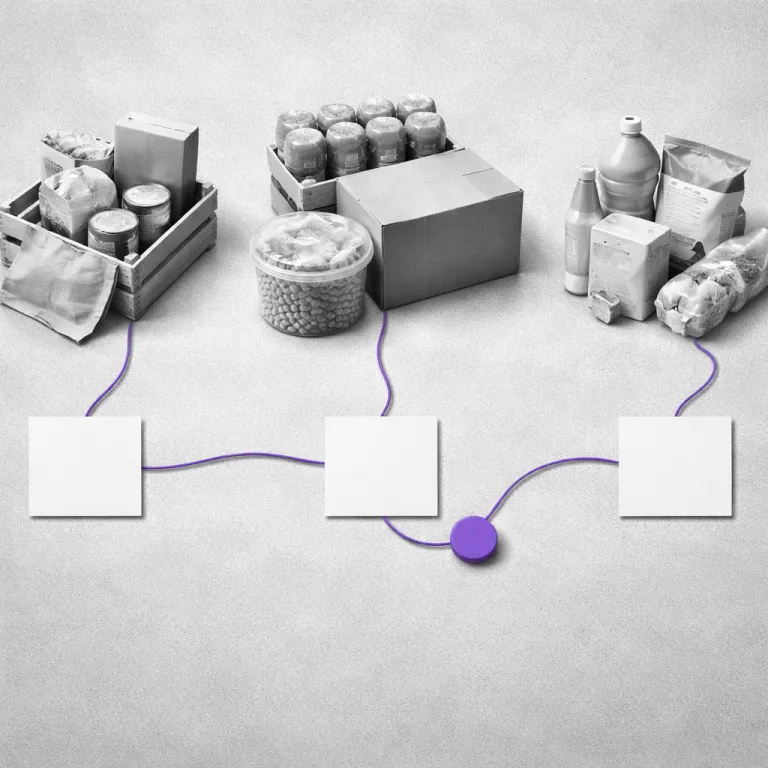
Think of this decision as a map rather than a ranking. If you live within 5 miles of an Aldi store and accept private label products, the lower prices per pound on staples can beat even cheaper Costco prices once you factor fuel and time. When the nearest Walmart store is the only realistic option, the widest assortment and frequent low prices on national brands may still be the better deal for your real life basket.
The main content of any serious aldi vs costco vs walmart comparison must separate headline price from total cost. A warehouse club like Costco offers costco prices that look unbeatable, yet the membership fee and bulk pack sizes only pay off if you buy enough items and finish them on time. A hard discount chain such as Aldi keeps the store small and the assortment tight, which means you save shopping time but sometimes need Walmart or other stores for missing specialty products.
Household size: when bulk beats hard discount or big box
Household size is the first fork in the aldi vs costco vs walmart comparison. For one or two person homes, a full Costco membership rarely pays off unless you share bulk grocery shopping with friends or extended family. A three person household sits on the edge, where a mix of Aldi private label staples and occasional shopping Costco trips can work if you track every pound and price.
For families of four or more, Costco becomes structurally better on paper goods, meat, shredded cheese, and other high turnover items. Consumer Reports has reported that warehouse clubs can be more than 20 percent cheaper than traditional supermarkets on many staples, but that only matters if your family can eat through those large packs before waste creeps in. When you buy a 2 kilogram bag of shredded cheese at Costco at a typical $3 per pound instead of $4 per pound at a regular supermarket, the savings vanish if half of it spoils in the fridge each month.
Use a simple break even rule for the membership fee when you compare Costco Walmart and Aldi. Imagine you spend $400 per month at Costco on items that are realistically 15 percent cheaper than what you would pay at Aldi or Walmart. That 15 percent saving equals $60 per month, or $720 per year, so even after subtracting a typical Gold Star membership fee of around $60 to $65 per year, you still come out roughly $660 ahead if you actually use what you buy.
For coupon focused readers, pairing this framework with targeted discount strategies can stretch budgets further. A worked example: if your usual $80 beverage and snack basket drops to $60 after stacking a store promotion with a limited time coupon code, that $20 saving across twelve similar trips rivals the annual benefit of some warehouse memberships. The same logic applies when you compare costco prices with aggressive Walmart pound promotions or Aldi weekly specials on private label pantry goods, such as a $1.29 Aldi pasta versus a $1.79 national brand box at Walmart.
Distance and driving costs: the hidden line on your receipt
Distance to each store is the second critical input in any aldi vs costco vs walmart comparison. A 20 kilometre round trip to a warehouse club adds fuel, time, and sometimes tolls that quietly raise the effective price per pound on every grocery item. When Aldi sits within a 5 mile radius and Walmart is even closer, the cheapest shelf label may not be the lowest priced choice once you factor the drive.
For small households, Aldi usually wins when weekly drives stay under that 5 mile mark and private label acceptance is high. The chain’s limited assortment of roughly 1 400 items in a typical store means you move quickly, buy only what you need, and benefit from consistently low prices on core grocery shopping categories. That is why recent reporting on how Aldi just added millions of new United States shoppers highlights distance and convenience as much as raw price.
Walmart becomes the default when neither Costco nor Aldi is within a reasonable distance. In that scenario, the breadth of items, from specialty organic products to niche diet foods, makes one stop shopping more efficient even if some prices per pound are slightly higher. A costco aldi hybrid strategy only makes sense if both stores are close enough that you do not burn your savings at the pump each month while trying to save shopping across multiple formats, for example when a 30 mile Costco trip adds $5 in fuel to a $150 basket.
Brand loyalty and private label comfort: who should shop where
The third pillar in a practical aldi vs costco vs walmart comparison is your tolerance for private label products. Aldi is built around private label ranges that quietly imitate national brands at lower prices, and that model works best when shoppers care more about taste and reliability than about a specific logo on the label. If you are comfortable serving private label graham crackers, cereal, and pasta at home, Aldi often delivers better prices per pound than even Walmart cheaper promotions.
Costco follows a similar path with its own private label line, especially in costco organic categories and household staples. Many families find that Kirkland Signature shredded cheese, olive oil, and paper goods match or beat national brands in quality while undercutting them on price, which is why costco great value perceptions remain strong in consumer reports style surveys. When you combine those savings with bulk packs, the effective price per pound can be dramatically cheaper costco compared with traditional stores, provided you use everything, such as paying about $0.02 per sheet for Kirkland paper towels versus $0.03 per sheet for a comparable national brand at Walmart.
Walmart shines when brand loyalty is non negotiable, whether for specific baby formula, specialty diet items, or hard to find international sauces. In those cases, the Walmart pound price on a national brand may be higher than an Aldi private label equivalent, yet the value is still better for you because it meets a precise need. A realistic costco walmart and Aldi decision map accepts that some items belong at Walmart, some at Costco, and many everyday staples at Aldi, rather than forcing a single store solution for every cart.
For readers who want to push this logic further, it helps to think in terms of category specific strategies. Articles that explain why buying bulk magnetic golf towels makes sense for savvy shoppers use the same framework of cost per use and storage limits that you can apply to pantry staples. Whether you shop Costco, Aldi, or Walmart, the goal is to align each product’s pack size, shelf life, and label preference with the store that offers the best long term value.
Building your personal decision map: hybrid strategies that work
Once you understand household size, distance, and brand loyalty, the aldi vs costco vs walmart comparison turns into a practical weekly plan. For many families, the most efficient pattern is a hybrid of Aldi staples plus Costco bulk for high turnover items, with Walmart as the flexible backup for specialty brands and urgent needs. This three way mix lets you capture low prices where they are strongest without overcommitting to any single store.
Start by listing your top twenty grocery items by spend, then mark which ones you are willing to buy as private label and which must be specific brands. For private label friendly categories such as pasta, canned tomatoes, basic dairy, and many snacks, Aldi often offers the lowest priced options with minimal waste risk each month. For heavy use categories like toilet paper, rice, cooking oil, and shredded cheese, Costco prices per pound usually beat both Aldi and Walmart, especially when you factor in costco organic offerings that rival premium brands.
Next, flag categories that rarely pay off at any of the three formats. Oversized bakery packs, delicate produce you cannot finish, and niche specialty diet items often create more waste than savings, even when the shelf label looks better. In those cases, a smaller local shop or online order in modest quantities can be the smarter way to save money, because the real cost includes what you throw away after each month of overbuying.
Finally, treat your decision map as a living tool rather than a one time exercise. Track a few representative receipts from each store, including fuel costs and any membership fees, then compare the effective price per pound on your core items over several weeks. As promotions shift and your household needs change, you can rebalance how often you shop Costco, when you rely on Aldi, and which trips truly require the breadth of Walmart stores.
FAQ
Is Costco always cheaper than Aldi and Walmart for groceries
Costco is not always cheaper than Aldi and Walmart for every grocery category. Warehouse clubs tend to win on bulk staples like paper goods, rice, and shredded cheese, but Aldi often has better prices on smaller packs of private label pantry items. Walmart can be cheaper on national brands during promotions, so the lowest priced option depends on what you buy and how quickly you use it.
When does an Aldi focused strategy beat Costco for a small household
An Aldi focused strategy usually beats Costco for one or two person households that live within about 5 miles of an Aldi store. In that situation, you avoid membership fees, reduce fuel costs, and benefit from consistently low prices on private label groceries without worrying about finishing huge packs. You can still use Walmart occasionally for specialty items while keeping most of your grocery shopping at Aldi.
How can I tell if a Costco membership will pay for itself
To test a Costco membership, estimate your typical monthly Costco basket and compare costco prices with what you currently pay at Aldi or Walmart for the same items. Multiply the realistic savings percentage by twelve months and subtract the membership fee to see if you come out ahead. If the net saving is modest or you struggle to finish bulk items, the membership may not be worth it.
Should I split my shopping between Aldi, Costco, and Walmart
Splitting shopping between Aldi, Costco, and Walmart often delivers the best balance of price, selection, and convenience. Many families use Aldi for everyday private label staples, Costco for bulk items they consume quickly, and Walmart for brand specific or last minute needs. The right mix depends on your distance to each store, storage space at home, and tolerance for private label products.
What grocery items are risky to buy in bulk at any store
Perishable foods that spoil quickly are risky to buy in bulk at Aldi, Costco, or Walmart. Large packs of fresh produce, bakery goods, and specialty refrigerated items often lead to waste unless you have a large household or a clear plan to use them. In those cases, smaller quantities from any store can be a better way to save money over the long term.