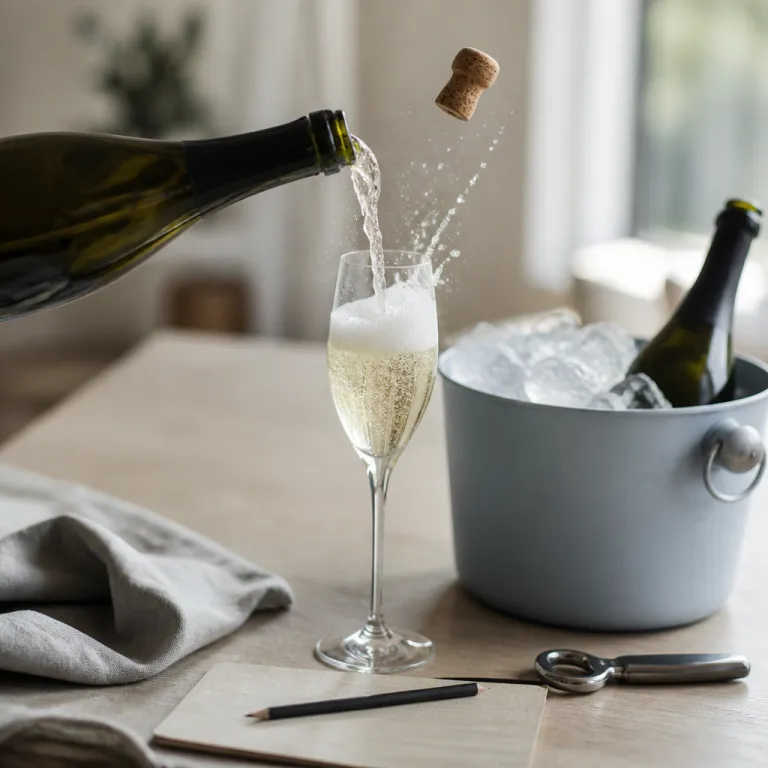
What “best champagne under 50” really means for everyday buyers
When people search for the best champagne under 50, they are usually trying to balance flavour, origin, and a realistic price. A smart buyer looks beyond the label and checks how each champagne, brut style or extra dry, compares with other sparkling wine options in the same price band. The goal is to find bottles that taste genuinely good under this psychological ceiling while still feeling festive and refined.
True champagne comes from the Champagne region and is usually based on chardonnay, pinot noir, and pinot meunier grapes, which gives these wines a distinct structure compared with prosecco or cava. Many of the better affordable champagne options under 50 use a high proportion of chardonnay for freshness or more pinot noir for depth, so reading the back label helps you understand the style before you buy. When you see terms like blanc de blancs or blanc de noirs, you are learning whether the wine is made only from white grapes or only from black grapes, which strongly shapes texture and food pairing.
For shoppers focused on value, the phrase champagne under a certain price should not mean compromising on quality, but it does require flexibility about prestige names. Instead of chasing only the most famous best champagne brands, you can look for non vintage brut champagne from reliable cooperatives or lesser known houses that quietly over deliver. These wines often share the same traditional method as vintage champagne from big names, yet they sit comfortably under 50 and still feel like strong champagne choices for family celebrations or relaxed weeknight dinners.
How to read labels and compare brut, rosé, and blanc styles
Label literacy is the fastest way to identify good champagne under 50 on a crowded supermarket shelf. The word brut on a bottle of champagne or other sparkling wines signals low sugar, which usually means a drier taste and a cleaner finish with food. If you prefer a softer profile, you might still choose brut champagne but from a producer known for ripe fruit, or you might lean toward a good prosecco or cava that naturally feels rounder at the same price.
When you see brut rosé on a label, you are looking at a rose style made either by blending still red pinot noir wine into white base wines or by short skin contact, which adds colour and red fruit notes. Many of the best champagne under 50 options in rosé form use a high share of pinot noir, giving flavours of strawberry and cherry that work beautifully with salty snacks and simple party food. Blanc de blancs, by contrast, relies entirely on chardonnay, so these wines often taste more citrus driven and mineral, which suits seafood or lighter dishes.
Non vintage bottles dominate the champagne under 50 segment, while vintage champagne usually sits above this threshold because it is made from grapes harvested in a single exceptional year. That does not mean non vintage wines are inferior; many of the best champagne examples blend several years to maintain a consistent house style. If you want a deeper guide to reading labels and comparing sparkling wine and still wine offers, a detailed resource on how to choose affordable wine that still feels special at this practical wine buying guide can help you extend the same logic to both champagne and other wines.
Champagne versus prosecco, cava, and other sparkling wines under 50
Shoppers comparing the best champagne under 50 with prosecco and cava often wonder whether the name alone justifies the higher price. Champagne sparkling wines are made by the traditional method, with a second fermentation in the bottle, which usually creates finer bubbles and more complex flavours than many tank method sparkling wine styles. Prosecco, typically from the Veneto region, uses the Charmat method, giving fruit forward sparkling wines that feel easygoing and often sit comfortably under 50 for larger format bottles.
Cava from Spain, especially brut cava and gran reserva cava, also uses the traditional method and can rival more expensive champagne under certain conditions. A well aged gran reserva cava often offers toasty, nutty notes similar to some vintage champagne, yet it usually remains well under the 50 mark, making it a strong alternative in the sparkling wine aisle. For everyday celebrations, many families mix and match, choosing one best champagne bottle for the toast and several good prosecco or cava wines for refills.
When you compare still wine and sparkling options, remember that acidity, sweetness, and bubble texture all affect how luxurious a bottle feels at a given price. A guide on how to choose good red wine for cheap without sacrificing quality at this red wine value article shows similar trade offs between brand prestige and actual taste, which also apply to champagne sparkling choices. In practice, the best champagne under 50 is often the bottle that balances regional authenticity with the same everyday practicality you use when choosing other wines for family meals.
Smart deal hunting: retailers, private labels, and timing your purchase
Finding the best champagne under 50 consistently requires attention to where and when you shop. Large warehouse retailers often sell private label sparkling wines, such as kirkland and kirkland signature bottles, that are produced by respected houses in regions like Champagne or Napa Valley but offered at a lower price. These kirkland signature wines can include traditional method sparkling wine from Napa or even champagne style blends, giving you access to good quality brut and brut rosé options under the 50 threshold.
In the United States, some Napa Valley producers such as Roederer Estate in Anderson Valley make méthode traditionnelle sparkling wines that compete directly with entry level champagne. A Roederer Estate brut, for example, often blends chardonnay and pinot noir in a style that feels familiar to champagne drinkers, yet the price usually stays under 50 for standard bottles. These Napa sparkling wines are not technically champagne, but they can serve as best champagne alternatives for family gatherings where value matters as much as origin.
Timing also plays a role in securing the best champagne under 50 deals in the sparkling category. Retailers frequently run promotions around major holidays, when you can find champagne under 50 from brands like Nicolas Feuillatte or even a discounted brut cava gran reserva that normally sits slightly higher. For a broader strategy on when to stock up on household items, including wine and sparkling wines, a detailed household tariff playbook at this household buying strategy guide can help you align champagne purchases with wider family budgeting decisions.
Recognising value in big brands and lesser known houses
Brand names still matter when people search for the best champagne under 50, but not every famous label will fall inside that limit. Entry level bottles from houses like Piper Heidsieck, Nicolas Feuillatte, and sometimes Veuve Clicquot or Moët Chandon can occasionally be found near or just under 50 during promotions, especially in large supermarkets. These non vintage brut champagne wines usually blend chardonnay, pinot noir, and other permitted grapes to deliver a consistent house style that many families trust for celebrations.
Within these portfolios, you may see terms such as premier cru on certain champagne labels, indicating that the grapes come from villages rated highly in the region’s classification system. Premier cru wines often cost more, so they may sit just above the champagne under 50 range, but careful deal hunting can bring some of them into reach during seasonal sales. When you compare these with lesser known growers, you might find that a small producer’s blanc de blancs or pinot noir driven cuvée offers similar quality at a lower price because you are not paying for global marketing.
For everyday planning, it helps to keep a short list of trusted houses and regions that reliably offer good sparkling wines under 50. Look for consistent non vintage brut, brut rosé, and even occasional vintage champagne from cooperative cellars that specialise in value rather than prestige. By tasting across brands and noting which champagne sparkling styles your household prefers, you gradually build your own definition of best champagne that fits both your palate and your budget.
Pairing best champagne under 50 with daily meals and family occasions
Once you have secured the best champagne under 50 for your household, the next step is using it well across daily meals and special occasions. Dry brut champagne and other brut sparkling wines pair beautifully with salty snacks, fried foods, and simple seafood dishes that often appear in family shopping baskets. A chardonnay heavy blanc de blancs works well with lighter fish or vegetable plates, while a pinot noir rich cuvée or rosé style can handle roast chicken or charcuterie.
For brunch or casual gatherings, many families alternate between champagne, prosecco, and cava depending on the menu and the number of guests. Prosecco offers a fruit forward sparkling wine option that suits fruit salads and pastries, while brut cava or gran reserva cava can stand up to richer egg dishes and cured meats. When the budget is tight, you might reserve one bottle of best champagne for the opening toast and then pour good sparkling wines from Napa Valley, Anderson Valley, or other regions for the rest of the meal.
Even within the under 50 range, serving temperature and glassware strongly influence how luxurious a wine feels. Keep champagne and other sparkling wines chilled to around 8–10 °C, and use tall, narrow glasses to preserve bubbles and aromas. By treating every bottle with care, whether it is a kirkland signature brut, a Roederer Estate sparkling wine, or a discounted Nicolas Feuillatte non vintage champagne, you maximise both pleasure and value for your family’s daily needs.
Key figures and market trends for champagne and sparkling wines under 50
- According to the Comité Champagne’s 2022 report, global champagne shipments reached roughly 326 million bottles, with a growing share sold through supermarkets where many bottles are priced under 50 for competitive reasons (see Comité Champagne, “Key Figures 2022,” based on shipment statistics published by the regional trade body).
- Industry data from the Comité Champagne and trade sources such as the CIVC Annual Report indicate that non vintage brut champagne accounts for well over two thirds of total champagne volume, confirming that most best champagne under 50 options are non vintage blends built for consistency.
- Market research from the International Organisation of Vine and Wine (OIV) and IWSR shows that prosecco and cava together now represent more than half of global sparkling wine volume, which increases competitive pressure on champagne under 50 to offer stronger value and clearer style differentiation.
- Sales reports from major United States chains and NielsenIQ data highlight that private label sparkling wines, including kirkland signature and similar brands, have grown at double digit rates in recent years, reflecting consumer interest in good quality bottles at a lower price and encouraging retailers to expand these ranges.
- Export statistics from Napa Valley Vintners and Anderson Valley producers show steady growth in méthode traditionnelle sparkling wine shipments, positioning these regions as credible alternatives to entry level champagne in the affordable sparkling segment and widening the pool of options under 50.
FAQ about choosing the best champagne under 50
Is real champagne under 50 actually worth buying compared with prosecco or cava ?
Yes, many non vintage brut champagne bottles under 50 offer more complexity and finer bubbles than similarly priced prosecco or cava, especially when they blend chardonnay and pinot noir using the traditional method. However, high quality brut cava and gran reserva cava can rival some entry level champagne, so the best choice depends on your taste and the specific bottle.
Which grape varieties should I look for on a champagne label under 50 ?
The classic grapes are chardonnay, pinot noir, and pinot meunier, and most best champagne under 50 options use some combination of these. Blanc de blancs indicates only chardonnay, while blanc de noirs signals only black grapes such as pinot noir, so choose based on whether you prefer fresher or richer flavours.
Are big brands like Veuve Clicquot, Moët Chandon, and Piper Heidsieck ever available under 50 ?
Entry level non vintage cuvées from Veuve Clicquot, Moët Chandon, Piper Heidsieck, and Nicolas Feuillatte sometimes drop under 50 during supermarket promotions or seasonal sales. Watching flyers and online offers around major holidays is the most reliable way to catch these deals in the sparkling wine section.
How does vintage champagne compare with non vintage bottles under 50 ?
Vintage champagne is made from grapes harvested in a single year and usually costs more than 50 because of limited production and longer ageing. Non vintage bottles blend several years to maintain a consistent style and often represent the best champagne under 50 for everyday celebrations.
Can sparkling wines from Napa Valley or other regions replace champagne for family events ?
Traditional method sparkling wines from Napa Valley, Anderson Valley, and other regions, including producers like Roederer Estate and some kirkland signature labels, can offer excellent quality under 50. While they are not legally champagne, they provide a good balance of flavour, price, and availability for family gatherings and daily needs.