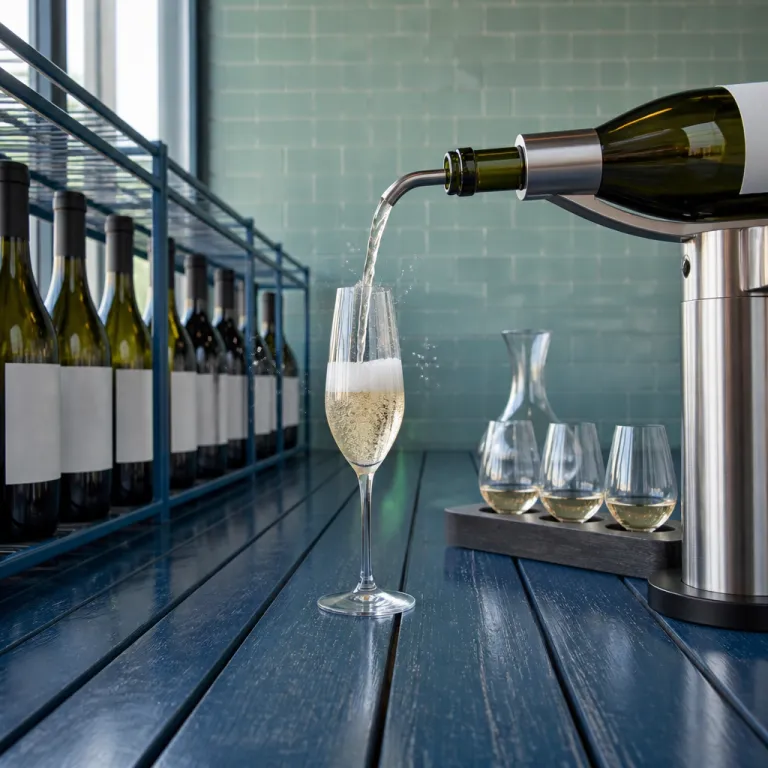
How to judge cheap wine brands without sacrificing taste
Cheap wine brands can offer impressive value when you know what matters in the glass. To judge any wine at a fair price, focus on the balance between fruit, acidity, tannin, and alcohol rather than the label’s prestige. A short mental checklist helps you compare bottles quickly in a crowded grocery store aisle and avoid paying more just for marketing.
Start by looking at the back label for grape information such as Cabernet Sauvignon, Pinot Noir, Chardonnay, Sauvignon Blanc, or a red blend, because this tells you a lot about likely flavours and food pairings. A Cabernet Sauvignon usually brings firm tannins, blackcurrant, and dark plum, while a Pinot Noir tends to be lighter in body with red cherry, raspberry, and a softer taste. When you see a cheap wine with clear grape details, a transparent origin, and a vintage year, that is often a sign of an affordable wine made with some care rather than a generic bulk blend.
Next, compare the price tag to the region and style, since a low price for sparkling wines from large producers can still mean solid quality. Many affordable wines from big brands keep costs down through scale, so a bottle of Yellow Tail or Robert Mondavi can taste consistent from one sale to the next. As a practical benchmark, a widely available Yellow Tail Cabernet Sauvignon 2021 often sells around $7–$9 in US supermarkets, while a Robert Mondavi Private Selection Cabernet 2020 may sit closer to $11–$13, both offering dependable everyday drinking. When you build a personal list of the best cheap labels that match your taste, including a few of the best cheap Cabernet under $15 or a reliable budget Chardonnay, you can add new wines confidently whenever you shop.
Finally, trust your own palate and not only ratings, because the best cheap wine for you is the one you enjoy with your meals. Some people prefer a sweet rosé or sweet red with strawberry and candy notes, while others want a dry Sauvignon Blanc or crisp Pinot Grigio with citrus and green apple for seafood. Take brief notes on each bottle you try, including where you bought it, the exact price, and a few tasting words like “ripe blackberry, smooth, not too sweet,” so your future choices become more budget friendly and precise.
Reading labels and price tags in the grocery store
When you stand in front of a long wall of wines in a grocery store, the label and the price tag are your main tools. Cheap wine brands often use bright colours and simple names, while more traditional producers highlight the region and grape such as Cabernet Sauvignon or Sauvignon Blanc. Learning to decode these details helps you separate the best cheap options from bottles that only look attractive on sale.
Check the alcohol level first, because many cheap wine options push sweetness and high alcohol to mask weaker fruit. A balanced red at around 12 to 13.5 percent usually feels smoother than a very hot bottle at 15 percent, especially when the wine is sweet. For white wines like Chardonnay or Pinot Grigio, a moderate alcohol level often signals fresher tastes and better acidity, which matters when you pair the wine with groceries such as salads, grilled vegetables, or simple chicken dishes.
Then look for clear grape names and brand ranges such as Kendall-Jackson Vintner’s Reserve, Jackson Vintner, Josh Cellars, or Cellars Cabernet from Robert Mondavi, because these families of wines maintain a consistent style. A Kendall-Jackson Chardonnay from the Vintner’s Reserve line, for example, usually offers ripe tropical fruit, baked apple, and gentle vanilla oak at an affordable price, while a Josh Cellars red blend leans toward smooth, crowd pleasing tastes of dark berry and soft spice. In many US chains, Josh Cellars Cabernet Sauvignon 2021 often appears around $12–$15, and Kendall-Jackson Vintner’s Reserve Chardonnay 2021 typically sits near $13–$17, giving you concrete reference points for mid-range supermarket pricing. When cheap wine brands publish this kind of structured range, it becomes easier to compare one affordable wine to another within the same shop.
Finally, pay attention to bottle placement and promotions, then cross check for shrinkflation style tricks where the volume quietly drops while the price stays flat. Learning how to spot shrinkflation at the shelf can help you notice when a so called budget friendly wine suddenly comes in a 700 millilitre bottle instead of the standard 750. Over a year of family and daily needs shopping, those small changes add up across wines, sparkling wines, and other beverages.
Comparing supermarket, discount, and warehouse cheap wine deals
Not all cheap wine brands are sold in the same type of shop, and the format you choose strongly affects both price and selection. A traditional grocery store usually offers a broad list of wines, from Yellow Tail and Robert Mondavi to local Cabernet Sauvignon and Pinot Noir, but the price tag can be higher than at discount chains. Warehouse clubs and hard discounters often win on price for affordable wines, yet their bottle range may be narrower.
Supermarkets tend to run frequent sale promotions on red, white, and rosé wines, especially around holidays and weekends. You might see a Kendall-Jackson Vintner’s Reserve Chardonnay or a Josh Cellars Cabernet discounted for a limited time, making these brands some of the best cheap options during those windows. In contrast, discount formats focus on private label sparkling wines, red blend styles, and simple Sauvignon Blanc, which can be very cheap but less familiar by name.
Warehouse clubs usually sell wines by the case or in larger formats, which lowers the effective price per bottle for families who buy regularly. This can be ideal when you already know which affordable wine you like, such as a particular Cellars Cabernet or a reliable Pinot Grigio that suits your taste. To decide where to shop for cheap wine, tools like a decision map comparing discount formats can guide you toward the best cheap combination of price and convenience.
For everyday family groceries and beverages, many households mix formats by buying experimental wines at the grocery store and stocking up on proven affordable wines at warehouse clubs. This strategy lets you test new red blend or rosé bottles without committing to a full case, then return later for a larger sale purchase once you confirm the tastes. Over time, this blended approach can keep your overall wine price low while still giving you variety at the dinner table.
Choosing the right cheap wine style for meals and occasions
Matching cheap wine brands to specific meals and occasions makes every bottle feel more intentional. For casual weeknight dinners with pasta or pizza, a medium bodied red such as a Josh Cellars red blend or a Yellow Tail Shiraz often works well at a modest price. When you want something lighter for lunch, a chilled rosé or a crisp Sauvignon Blanc can be one of the best cheap choices.
For grilled meats or hearty stews, look for Cabernet, Cabernet Sauvignon, or Cellars Cabernet from large producers like Robert Mondavi, because these wines bring structure and dark fruit that stand up to rich dishes. If you prefer softer tastes, a Pinot Noir or a mellow red blend from Kendall-Jackson or Jackson Vintner ranges can offer smoother tannins while staying affordable. White meats and seafood pair nicely with Chardonnay or Pinot Grigio, especially when the wine has enough acidity to cut through sauces without overwhelming the food.
When you host a gathering, sparkling wines provide a festive feel without requiring a high price tag, particularly from big brands that specialise in affordable wines. A cheap wine does not need to be low in character if you choose a style that fits the moment, such as a sweet sparkling for dessert with peach and apricot notes or a dry Sauvignon for aperitif snacks with citrus and herb flavours. Keeping a small list of go to bottles for different occasions lets you add variety to your cart quickly whenever you shop.
Families managing daily needs often rotate between a few reliable affordable wine labels to keep budgets predictable. For example, they might buy a Kendall-Jackson Vintner’s Reserve Chardonnay for special dinners, a Yellow Tail red for everyday meals, and a supermarket own label Sauvignon Blanc for salads. This rotation keeps the overall price under control while still offering different tastes across the week.
Stretching your budget with bulk buys, storage, and smart tools
Once you know which cheap wine brands suit your taste, buying strategically can stretch your budget further. Many shops offer case discounts on wines, so purchasing six or twelve bottles of a trusted affordable wine can lower the effective price per bottle. This approach works especially well for family and daily needs when you regularly drink the same red, white, or rosé styles.
Proper storage protects the taste of both red and white wines, even at the cheap wine level, because heat and light can damage any bottle. Keep your affordable wines in a cool, dark place away from kitchen appliances, and store open bottles in the fridge with a tight closure to preserve fresh tastes for a few days. For sparkling wines, a dedicated sparkling stopper helps maintain bubbles, which means you waste less and get full value from every price tag.
Smart accessories also play a role in making budget friendly bottles feel more premium at the table. Simple aerators can soften young Cabernet Sauvignon or Cellars Cabernet, while insulated carriers keep Sauvignon Blanc and Pinot Grigio at the right temperature during picnics. Savvy shoppers who already think about value tools for other hobbies, such as those using bulk buying strategies for accessories, often apply the same mindset to wine and beverages.
Buying in bulk does not mean sacrificing variety, because you can split a case between a few styles like Josh Cellars red blend, Kendall-Jackson Chardonnay, and a supermarket sparkling. Rotate these wines through your weekly meals so no bottle feels repetitive, even though each one came with a best cheap deal. Over several months, this method can free up part of your grocery store budget for occasional higher priced wines without raising total spending.
Recognising quality signals in mass market cheap wine brands
Large scale producers dominate the cheap wine shelves, yet some brands consistently deliver better quality than others. When you evaluate affordable wines from names like Yellow Tail, Robert Mondavi, Kendall-Jackson, Jackson Vintner, and Josh Cellars, look for patterns in how they handle grape sourcing and blending. Brands that invest in clear labelling, stable taste profiles, and transparent ranges usually offer more reliable value at every price point.
For example, the Kendall-Jackson Vintner’s Reserve line highlights specific grapes such as Chardonnay and Cabernet Sauvignon, signalling a focus on varietal character even at an affordable price. Josh Cellars often emphasises approachable red blend styles that are designed to be smooth and food friendly, which suits family dinners and casual gatherings. Robert Mondavi and its Cellars Cabernet offerings show how a historic winery can create both premium and cheap wine tiers while maintaining a recognisable house taste.
Quality signals also appear in how these brands manage sweetness, oak, and alcohol in their wines. A well made cheap red should not taste overly sweet or harsh, and a balanced Chardonnay should avoid heavy artificial vanilla notes that mask the fruit. When you find a brand whose wines taste consistent from bottle to bottle, you can treat that name as a safe anchor in your personal list of best cheap options.
Mass market producers also experiment with styles like rosé, Pinot Noir, Sauvignon Blanc, and sparkling wines to capture different segments of the affordable wine audience. Trying a range from the same producer lets you compare how they handle red, white, and sparkling at similar price levels. Over time, you will notice which cheap wine brands over deliver on taste relative to their price tag, including some of the best cheap Cabernet under $15, and those are the ones worth adding to your regular grocery store rotation.
Building a personal shortlist of cheap wine brands for daily life
Creating a personal shortlist of cheap wine brands turns random purchases into a deliberate strategy. Start by tracking every bottle you buy, including the brand, grape such as Cabernet, Pinot, Chardonnay, Sauvignon, or red blend, and the exact price. Note whether the wine tasted better with food or on its own, and whether it felt like one of the best cheap options for that occasion.
Over a few months, patterns will appear in your notes about which affordable wines consistently match your taste and budget. You might find that Yellow Tail offers reliable everyday reds, Kendall-Jackson Vintner’s Reserve provides a favourite Chardonnay for weekends, and Josh Cellars delivers a versatile red blend for guests. Add these names to a simple list on your phone so you can shop quickly in any grocery store without overthinking each bottle.
Include a mix of styles such as Cabernet Sauvignon, Pinot Noir, Sauvignon Blanc, Pinot Grigio, rosé, and sparkling wines, because variety keeps your weekly meals interesting. For each style, choose at least one affordable wine that you consider a safe bet, then leave room in your budget friendly plan for occasional experiments with new labels on sale. This balance between reliable cheap wine and exploratory purchases helps you refine your palate while still controlling the overall price tag of your family beverages.
As your experience grows, you will rely less on generic ratings and more on your own clear preferences. Cheap wine brands that once felt like a gamble will become familiar tools in your household planning, just like staple groceries or other daily needs. With a thoughtful shortlist, every bottle you bring home has a purpose, whether it is a simple red for pasta night or a sparkling wine to mark a small family celebration.
Key figures about cheap wine brands and household budgets
- Global wine consumption has hovered around 23 to 24 billion litres per year in recent years according to estimates from the International Organisation of Vine and Wine (OIV), and a significant share of this volume comes from affordable wines sold through supermarkets and discount chains. The OIV’s 2023 statistical report, for example, places world consumption at roughly 23.4 billion litres.
- In major European markets, supermarket private label wines can cost roughly 20 to 30 percent less than comparable branded bottles, which makes them central to budget friendly strategies for families managing groceries and beverages. Trade studies from retailers in countries such as France, Germany, and Spain regularly report this kind of price gap between own label and national brands.
- Consumer surveys from large retail groups show that more than half of regular wine buyers prioritise price over region or grape, especially when choosing red and white wines for everyday meals at home. Internal polling by several UK and US supermarket chains has repeatedly highlighted this price first behaviour among weekly shoppers.
- Sales data from discount retailers indicate that sparkling wines under 10 euros per bottle account for a growing share of celebratory purchases, as households shift from restaurant spending to at home occasions. Chains in Germany and the UK, for instance, have reported multi year growth in entry level sparkling categories.
- Market analyses of brands such as Yellow Tail, Kendall-Jackson, Josh Cellars, and Robert Mondavi reveal that their entry level ranges often represent the majority of their volume, confirming the importance of cheap wine tiers in global wine business models. Industry reports from US and Australian trade bodies frequently cite these labels as examples of successful mass market positioning.
FAQ about cheap wine brands and smart shopping
How can I tell if a cheap wine is good quality ?
Look for clear grape information, a recognised producer, and balanced alcohol levels rather than only focusing on the lowest price. If the wine tastes overly sweet, hot, or artificial, it is probably not among the best cheap options. Consistency across several bottles from the same brand is a strong quality signal.
Are supermarket private label wines worth trying ?
Supermarket private label wines can offer excellent value because retailers negotiate directly with producers and control margins. Many of these affordable wines are made by reputable wineries that also produce more expensive ranges. Start with a red blend, Sauvignon Blanc, or sparkling wine from the store brand and compare it to a familiar branded bottle at a similar price.
Which grape varieties are safest when buying cheap wine brands ?
Grapes such as Cabernet Sauvignon, Merlot, Pinot Noir, Chardonnay, Sauvignon Blanc, and Pinot Grigio are widely grown and well understood by large producers. These varieties often perform reliably at lower price points because winemakers have extensive experience with them. When in doubt, choosing one of these classic grapes from a known brand is usually a safe budget friendly move.
Is it better to buy cheap wine by the bottle or by the case ?
Buying by the bottle is best when you are still exploring cheap wine brands and learning your preferences. Once you identify a few affordable wines you truly enjoy, purchasing by the case during a sale can reduce the effective price per bottle. Many retailers offer case discounts or mixed case promotions that reward this more planned approach.
Does more expensive always mean better taste for everyday drinking ?
Higher prices often reflect smaller production, specific regions, or ageing, but they do not guarantee better taste for your personal palate. For everyday meals, many families find that well chosen cheap wine brands provide all the flavour they need at a fraction of the cost. The key is to match the wine style to the occasion and trust your own judgement rather than assuming that a higher price tag always equals higher quality.