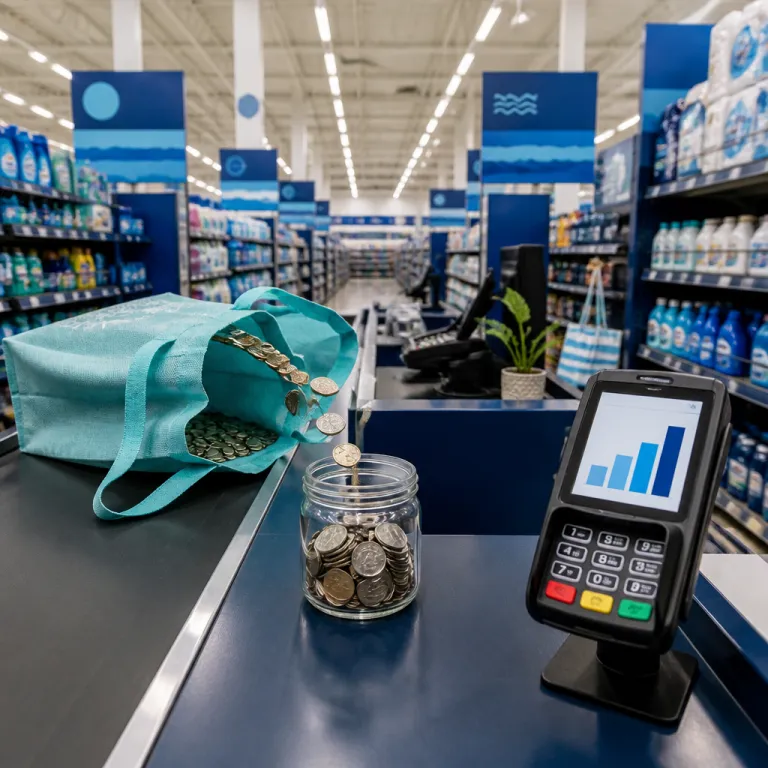
How cash back stores work for everyday customers
Cash back stores turn routine purchases into a steady stream of savings. When customers pay with a linked card or mobile app, a percentage of each transaction returns to them as cash, statement credit, or a deposit into a bank account. This model rewards card payments at the point of sale while encouraging repeat visits to the same store and partner merchants.
In the United States, major grocery stores, gas stations, and online merchants now operate as cash back stores through bank partnerships and dedicated apps. For example, large chains such as Kroger and Walmart participate in debit card cash back at checkout, while card issuers like Chase, Bank of America, and Citi run rotating category programs that highlight specific retailers. Each participating store or chain negotiates its own reward rate, so the value you earn can vary widely between card-based offers and in-app promotions. Customers earn more when they align their regular spending with merchants that offer higher cash-back percentages on the categories they already rely on for their household.
Most programs require that you pay with a specific debit card or credit card, or through a branded mobile app that tracks purchases. The system records each payment at the point of sale, then calculates the cash-back amount based on eligible transactions and any promotional multipliers. Over time, this structure lets customers accumulate a meaningful pool of rewards without changing their overall budget, simply by routing everyday payments through the right stores and payment methods.
Comparing in store cash withdrawal and digital rewards
Not all cash back stores operate in the same way, and the differences matter. Some merchants focus on instant cash withdrawal at the register, while others emphasize digital rewards that accumulate in a savings account or checking account. Understanding how each store handles fees, withdrawal limits, and card-based incentives helps customers choose the most efficient path.
In many grocery stores and gas stations, customers can request a specific amount of cash at the point of sale when they pay with a debit card. This cash-back feature effectively turns the checkout lane into an ATM, often without separate ATM fees, although some merchants charge a small service fee for higher withdrawal amounts. For shoppers who value physical currency for family expenses, this hybrid between card purchases and cash access can be more convenient than visiting a separate ATM that might charge surcharges or out-of-network fees.
Other cash back stores steer customers toward digital ecosystems, where payments generate rewards that accumulate inside a linked savings account or checking account. These programs usually highlight long term benefits, such as higher percentage rewards on specific purchases or seasonal promotions tied to client appreciation gifts and loyalty campaigns, which are discussed in depth in this guide to thoughtful customer reward strategies. Customers receive less immediate cash in hand but may see larger dollar totals over time, especially when they avoid redemption fees and manage their payments strategically.
Managing fees, atm access, and payment friction
Every cash back opportunity must be weighed against the hidden cost of fees. While many cash back stores advertise free access to cash at checkout, some quietly charge transaction fees that erode the benefit of each withdrawal. Careful customers track both the explicit fee and any indirect costs, such as higher shelf prices or minimum purchase requirements.
When using a debit card for cash withdrawal at a store, the main advantage is often the absence of separate ATM fees. However, if the store or bank applies a per-transaction charge, the effective value of your rewards can drop sharply. For instance, a $60 grocery purchase with 3 % cash back earns $1.80, but a $2 service fee on the same transaction more than wipes out the benefit. Comparing the total dollar cost of these withdrawals with the cash back earned is essential, especially for families managing tight budgets across multiple merchants in the United States.
Digital programs linked to a checking account or savings account can reduce friction by consolidating payments and rewards in one place. Some banks even reimburse ATM fees when customers maintain a certain balance or route a minimum number of card purchases through partner cash back stores. For a deeper look at how inflation and category level price changes affect the real value of these benefits, readers can review this analysis of a five line spending reallocation strategy that focuses on the categories where customers earn the most from rewards.
Mobile apps, card linking, and subscription finance deals
Mobile technology has reshaped how cash back stores interact with customers. A dedicated mobile app can track purchases across multiple merchants, calculate rewards in real time, and alert users when a store offers higher benefits on specific categories. These apps often integrate with both debit card and credit card accounts, simplifying how customers pay and how they monitor each transaction.
For subscription based finance and insurance deals, cash back stores increasingly bundle rewards with recurring payments such as streaming services, insurance premiums, or digital memberships. When customers pay these subscriptions through a linked card or mobile app, they can earn a percentage of each payment back, effectively lowering the long term cost of the service. Some platforms even promote disciplined rotation strategies, such as the approach outlined in this guide to a six week streaming rotation, which pairs subscription management with targeted rewards.
From a technical perspective, the app acts as a bridge between the store, the bank, and the customer, ensuring that card purchases are correctly tagged for rewards. This reduces disputes about whether a particular store or gas station qualifies as one of the cash back stores under the program rules. When customers earn rewards reliably and see clear information about any fee or account terms, trust in the ecosystem grows and more payments flow through these digital channels.
Optimizing cash back for family budgets and daily spending
Households that treat cash back stores as part of a broader financial plan tend to see the greatest benefits. Instead of chasing every promotion, they map their regular purchases, from grocery stores to gas stations, and align them with the merchants that offer the highest percentage of cash back. This disciplined approach turns each payment into a small but predictable contribution to long term savings.
One effective tactic is to separate spending categories across different cards and apps, assigning a specific debit card or credit card to each type of store. For example, a family might use one card for grocery stores and another for fuel, ensuring that card purchases always qualify for the top tier of rewards at those merchants. By tracking the cash-back total earned each month and moving it into a savings account or dedicated checking account, customers build a visible financial buffer that can cover unexpected expenses or short term cash needs.
Another strategy involves using in store cash withdrawal options to avoid ATM fees while still capturing rewards on the underlying purchases. When a store allows customers to access cash at the point of sale without an additional service charge, the combined effect of convenience and cash back can be significant. Over time, this reduces reliance on external ATMs that might charge fees and helps families manage both digital payments and physical cash more efficiently.
Risk management, transparency, and regulatory safeguards
As cash back stores expand, transparency around terms and conditions becomes critical for consumer protection. Programs that clearly explain how customers earn rewards, what fees apply, and how cash withdrawal works tend to build stronger loyalty. Ambiguous language about service charges, withdrawal limits, or eligible merchants can quickly erode trust.
Regulators in the United States, including the Federal Reserve and the Consumer Financial Protection Bureau, monitor how banks and merchants present information about card purchases, ATM fees, and reward structures. Clear disclosures about whether a store functions as an ATM equivalent, whether a fee applies to each withdrawal, and how much cash can be accessed per transaction are now standard expectations. Customers should review these documents carefully, especially when linking a debit card that directly accesses a checking account or savings account, because any unauthorized payment or unexpected fee hits real cash balances immediately.
From a risk management perspective, using a mobile app that offers real time alerts on payments and cash back activity adds an extra layer of security. If a card or app is compromised, quick detection limits fraudulent withdrawals and unauthorized payments at both physical stores and online merchants. Over the long term, the healthiest ecosystem of cash back stores will be the one where customers, banks, and merchants share aligned incentives around clarity, fair pricing, and reliable access to funds for everyday life.
Key statistics on cash back programs and consumer behavior
- According to the Federal Reserve’s Diary of Consumer Payment Choice (for example, the 2023 report), more than half of in-person card purchases in the United States are now made with debit cards, which directly affects how often customers use in store cash withdrawal instead of separate ATM visits.
- Industry surveys from major banks such as JPMorgan Chase and Bank of America report that customers enrolled in cash back programs increase their spending at participating merchants by roughly 10 % compared with non enrolled customers, highlighting how cash back stores influence payment behavior.
- Consumer research from large card networks, including Visa and Mastercard, shows that avoiding ATM fees is a top priority for a substantial share of debit card users, which helps explain the growing popularity of requesting cash at the point of sale in grocery stores and gas stations.
- Studies by financial regulators, including the Consumer Financial Protection Bureau, indicate that clear disclosure of any service charge or ongoing fees can reduce complaint rates by more than 20 %, underscoring the importance of transparency in cash back and rewards programs.
FAQ: cash back stores and everyday finance deals
How do cash back stores differ from traditional loyalty programs ?
Cash back stores return a percentage of each payment as real cash or statement credit, while traditional loyalty programs often issue points that must be converted into vouchers or discounts. This means customers earn a clear dollar value on every eligible purchase instead of navigating complex point tables. For many shoppers, the simplicity of seeing cash back appear in a checking account or on a card statement is more appealing than managing separate loyalty balances.
Can I avoid atm fees by using cash back at the register ?
Many grocery stores and some gas stations allow customers to request a set amount of cash during a debit card purchase, effectively combining card purchases and cash withdrawal in one transaction. When no separate service fee applies, this can be a practical way to access cash without paying ATM surcharges. Always confirm the withdrawal limits and any potential fee with the store before relying on this method.
Are cash back apps safe to connect to my bank accounts ?
Reputable mobile apps that support cash back stores use encrypted connections and established APIs to link with your checking account or savings account. Safety depends on choosing well known providers, enabling two factor authentication, and monitoring payments regularly for unusual activity. If an app offers unclear terms, requests excessive permissions, or hides information about fees, it is better to avoid connecting your card or accounts.
What is the best way for a family to maximize cash back ?
A structured approach works best, starting with a list of regular purchases across grocery stores, gas stations, and online merchants. Families can then assign specific cards or apps to each category, focusing on the cash back stores that offer the highest percentage on those payments. Tracking monthly rewards and moving the earned cash into a dedicated savings account helps turn small daily benefits into a meaningful financial cushion.
Do cash back programs affect my eligibility for finance and insurance deals ?
Most cash back programs do not directly change eligibility for finance or insurance products, but they can influence which cards or accounts you choose to use for those payments. Some banks and insurers offer better terms when customers pay premiums or loan installments through specific cards that also provide cash back. Reviewing the combined impact of rewards, fees, and interest rates ensures that the overall deal remains favorable rather than being offset by hidden costs.