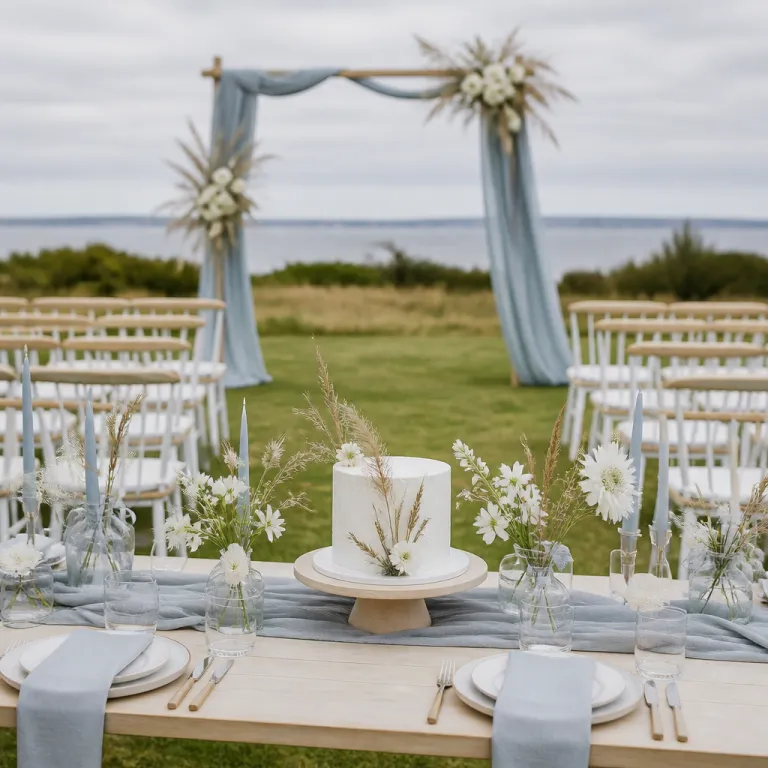
Why free wedding venues matter for budget smart couples
Free wedding venues can completely change how couples plan their celebration. When a wedding venue or several locations are available at no cost, the budget for the wedding day can shift toward photography, catering, live music, or a longer honeymoon instead of pure rental fees. A free wedding in a park or garden also lets many guests enjoy a beautiful location without the pressure or formality of a luxury resort.
For many weddings, the choice of venue will define the entire wedding ceremony and wedding reception style. A garden wedding in a city park, a quiet chapel near a state park, or a small church with a free reception space can all feel like the perfect place when used thoughtfully. Couples who hold wedding ceremonies in free or low cost places often report that the emotional value of the ceremony and reception outweighs any décor limitations, as one bride put it, “We remember the vows and the trees around us, not the price tag.”
Public parks, a local beach, or a botanical garden sometimes allow a free wedding or very low cost weddings if the group is small. Some state parks offer a beautiful wedding location for a symbolic ceremony, while a nearby church or chapel can host the legal wedding ceremony itself. The key is to treat every free wedding venue with the same respect as a luxury venue, because these locations are shared spaces for many guests, local residents, and future events.
Types of outdoor free wedding venues in parks, gardens, and beaches
Public parks are often the most accessible free wedding venues for couples who love greenery. A city park can provide a garden wedding atmosphere with trees, lawns, and flowers, while larger state parks may offer lakes, cliffs, or forest backdrops that create a truly beautiful wedding setting. When weddings take place in these parks, couples must usually adapt to existing paths, picnic areas, and shared reception space rather than building a custom venue from scratch.
Many coastal towns allow a wedding ceremony on the beach without a rental fee, especially for smaller weddings. A beach location can be a beautiful setting for sunset wedding ceremonies, but wind, tides, and public access mean the couple will need a clear backup plan for the wedding reception. For a popular wedding spot, check whether the local authority requires a special permit even when the venue is technically free, and confirm any seasonal restrictions and typical fees, which in many U.S. beach towns range from about 25 to 300 U.S. dollars depending on guest count and setup.
Botanical gardens sometimes offer limited free places for weekday weddings or very small elopements. While a large botanical garden often charges for big weddings, some have corners where a wedding day ceremony is allowed without a full venue booking, especially if no reception space is needed on site. If you plan to hold wedding celebrations in such gardens, read the rules carefully, just as you would when comparing outdoor event rules for barbecue equipment in guides about finding the best smoker deals for your next barbecue.
Religious and civic spaces as low cost or free wedding venues
Many couples overlook how a local church or chapel can function as a free wedding venue or very low cost option. Some parishes allow a wedding ceremony for members without a rental fee, while asking only for a modest donation to cover cleaning and utilities for the wedding day. In these cases, the church becomes both a spiritual center and a practical wedding venue where married life can begin in a meaningful way.
Smaller chapels in hospitals, universities, or historic districts sometimes welcome weddings for alumni or residents at no cost. These wedding venues may not include reception space, so the couple will often hold wedding receptions in a nearby park, community hall, or private garden. When the ceremony and reception locations differ, clear directions, maps, and timing details for guests are essential so that weddings run smoothly.
Civic buildings such as town halls or community centers can also serve as a free or low fee location for wedding ceremonies. A registry office wedding ceremony is often quick, but couples can still create a beautiful wedding moment with flowers, music, and a short gathering of guests outside in a nearby park. After the formalities, many couples move to free places like a beach, a garden, or a family home for a relaxed wedding reception, sometimes combined with creative gift ideas similar to those in guides about surprising loved ones with summer presents.
Permits, rules, and logistics for using public spaces as venues
When you use a park, beach, or state park as a wedding venue, permits become as important as décor. Many state parks allow a free wedding ceremony for very small groups, but larger weddings usually require a special permit that reserves a defined reception space or picnic area. Without the right written approval, a wedding ceremony might be interrupted by other park users or even moved by rangers if it blocks access.
Each state and city sets its own rules for weddings in public parks and beaches. Some locations limit amplified music, alcohol, or open flames, which affects how a wedding reception can be organized in these free places. Before you hold wedding ceremonies outdoors, ask whether the venue is truly free or whether cleaning fees, parking charges, security deposits, or insurance are still required; for example, many U.S. cities charge around 50 to 250 U.S. dollars for park event permits and may request refundable deposits for larger gatherings.
Logistics also matter for guests, especially older relatives or families with children attending weddings. Check whether the park or beach location has accessible paths, nearby toilets, shade, and safe parking, because a beautiful location loses appeal if guests struggle to reach the ceremony. For couples comparing costs, it can help to apply the same disciplined questions used when evaluating major purchases, such as those outlined in guides about Memorial Day appliance pricing and key questions before buying.
Designing a beautiful wedding day in a free outdoor venue
Creating a beautiful wedding in a free wedding venue relies more on planning than on spending. In a garden wedding held in a park or botanical garden, simple décor such as fabric aisle runners, potted plants, and portable arches can frame the wedding ceremony without damaging the grounds. Couples who hold wedding receptions in the same location should favor lightweight furniture and battery powered lights to protect the venue and simplify setup.
For a beach wedding day, timing and layout are crucial for comfort and photographs. Position the wedding ceremony so that guests do not stare directly into the sun, and keep the reception space slightly away from the waterline to avoid tides and crowds. A popular wedding beach may look like the perfect place at midday, but softer evening light often creates a more beautiful location for both ceremonies and receptions, especially in warm climates.
When a church or chapel provides the ceremony venue free of charge, décor rules can be stricter than in parks or beaches. Ask whether candles, confetti, or floral installations are allowed, and coordinate with the church team so that weddings do not conflict with regular services. Many married couples find that a simple, respectful design inside the church combined with a more relaxed reception in a garden or state park gives them both a sacred and a festive atmosphere.
Strategic tips to secure and maximize free wedding venues
Securing free wedding venues requires early research and flexible expectations. Start by listing every park, beach, state park, church, chapel, and botanical garden within reasonable travel distance, then call or email each location about wedding ceremonies and receptions. Ask clearly whether the wedding venue is free, whether a special permit is needed, and how many guests are allowed for weddings at different times of year.
Once you identify a beautiful wedding location, visit at the same time of day as your planned wedding ceremony. Observe how crowded the park or beach becomes, where the sun falls, and whether noise from traffic or other venues might disturb guests. Couples who hold wedding receptions outdoors should also test mobile phone coverage, because caterers and suppliers often rely on calls or messages to coordinate deliveries and last minute changes.
Finally, treat every free wedding or low cost venue with the same care you would give a luxury estate. Leave parks, beaches, and gardens cleaner than you found them, respect church and chapel guidelines, and thank staff or volunteers who help your wedding day succeed. When couples behave responsibly, they not only enjoy their own celebration but also help keep these free places open for future wedding ceremonies and receptions. To stay organized, many pairs create a simple checklist or email template for permit requests that covers date, time, guest count, setup details, and backup plans.
Key figures on outdoor weddings and venue costs
- According to research from The Knot, venue rental typically represents around 30 to 35 percent of a total wedding budget, which explains why choosing a free wedding venue in a park, church, or garden can significantly reduce overall costs. (Source: The Knot 2022 Real Weddings Study, available at theknot.com.)
- Industry surveys from WeddingWire indicate that outdoor weddings, including those in parks, beaches, and gardens, account for roughly 40 percent of ceremonies, showing how popular wedding celebrations in natural settings have become. (Source: WeddingWire Newlywed Report 2023, summarized on weddingwire.com.)
- Data published by several U.S. state park systems show that basic event permits for weddings can range from 0 to about 300 U.S. dollars, meaning that a state park ceremony is often far cheaper than a traditional banquet hall even when a special permit is required.
- Reports from major botanical gardens suggest that weekday weddings with limited guests can cost up to 50 percent less than weekend events, which encourages couples to consider flexible dates when seeking a beautiful location at a lower price.
FAQ about free wedding venues and outdoor ceremonies
How can I find free wedding venues in my area ?
Start with your city or regional government website and search for information about weddings in public parks, beaches, and civic buildings. Then contact local churches, chapels, and community centers to ask whether they offer a venue free of charge for members or residents. Finally, visit botanical gardens and state parks in person to confirm rules, because online information about wedding ceremonies can be incomplete or out of date.
Do I always need a special permit for a park or beach wedding ?
Small weddings with only a few guests sometimes do not require a special permit, especially if you are not setting up chairs or amplified sound. Larger weddings, or any wedding reception held in a park or on a beach, almost always need written approval from the authority that manages the location. Check the rules for each state park or city park separately, because regulations differ widely and may change seasonally.
Can I hold both the wedding ceremony and reception in a public space ?
Many couples hold wedding ceremonies in a park, beach, or garden and then move to a different venue for the reception. Some locations do allow a full wedding reception outdoors, but they may restrict alcohol, music volume, tent size, or event end times. Always ask whether the reception space is officially approved, because fines for unauthorized weddings can be higher than a modest venue fee.
Are church or chapel weddings ever completely free ?
Some churches and chapels offer a free wedding ceremony for active members, although they usually welcome voluntary donations. Even when the ceremony itself is free, there may be small charges for musicians, cleaning, or administration. Clarify every cost in writing so that your wedding day budget remains realistic and you avoid awkward surprises later.
What is the biggest risk of relying on a free outdoor venue ?
The main risk is weather, because rain, wind, or extreme heat can disrupt both ceremonies and receptions in parks, beaches, and gardens. Public access is another concern, since strangers may pass near your wedding venue unless you reserve a defined area with a special permit. Always prepare a backup indoor location, such as a community hall or church, and set a clear decision time the day before so that your beautiful wedding can proceed even if conditions change.