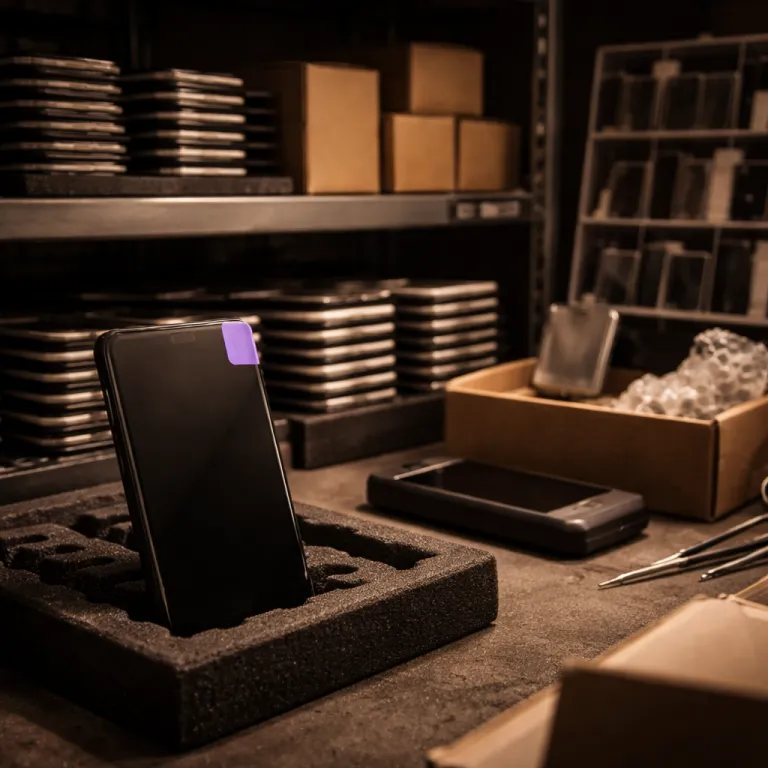
Why refurbished smartphone total cost ownership matters more than sticker price
Refurbished smartphones look cheap at first glance, but the real question is how their total cost compares over three or four years of use. When you factor in battery health, resale value, accessories, and the phones market for trade in offers, the refurbished smartphone total cost ownership picture can flip completely. For a tech savvy buyer tracking every euro, the gap between the initial price and the long term cost is where deals are won or lost.
The global refurbished phones market has been growing at roughly 10 % per year, as demand for affordable options rises while new mobile phones become more expensive due to component tariffs and memory price hikes.1 Analysts expect the global refurbished devices segment to keep expanding as the secondary market matures and as more certified refurbishment programmes from Apple and Samsung Electronics raise buyer confidence. That growth means more choice for refurbished mobile shoppers, but it also means more complexity when comparing one refurbished phone against another device or against a carrier financed new model.
Think of refurbished smartphones as part of a wider circular economy, where each mobile phone moves from first owner to resale and then possibly to a third user before recycling. In this circular economy logic, refurbished devices spread their environmental and financial cost over more years, but only if the phones are still supported with software updates and have batteries that can last a full day. A careful analysis of refurbished smartphone total cost ownership therefore has to include not just the purchase price point, but also the likely battery replacement cost, the expected resale value, and the remaining software support window for each device.
From a deals perspective, the headline price of refurbished smartphones often hides big differences in warranty terms and refurbishment standards. A certified refurbished iPhone from Apple or a certified refurbished Galaxy from Samsung Electronics usually costs more than a generic refurbished phone from a marketplace seller, yet the longer warranty and stricter testing can reduce your risk of early failure. When you spread that extra cost over three years of use, the total cost of ownership can actually be lower than with cheaper refurbished phones that lack robust warranty coverage.
Global refurbished phone volumes already represent a multi billion euro slice of the overall mobile phones market, and that share is still climbing. In regions such as Asia Pacific and Latin America, refurbished phones and refurbished mobile devices are often the primary way budget conscious buyers access premium smartphones at a manageable price point. As this global refurbished ecosystem matures, understanding refurbished smartphone total cost ownership becomes a core skill for anyone who wants to stretch their budget without sacrificing reliability.
The four pillars of refurbished smartphone total cost ownership
When you compare refurbished smartphones against new devices, you need a simple framework that captures every major cost over the phone’s useful life. The four pillars that matter most are purchase price, battery replacement cost, accessory replacement, and resale value at the end of year three. If you run the same analysis for each device you are considering, you can compare total cost of ownership instead of getting distracted by short term discounts.
Start with the upfront price of the refurbished phone, including shipping and any optional extended warranty that meaningfully extends coverage beyond the basic period. A certified refurbished mobile phone from Apple or Samsung Electronics might cost 20 to 30 % more than a non certified refurbished device sold in the secondary market, but the extra warranty and guaranteed battery health can reduce your risk of paying for repairs in the first year. When you evaluate the phones market, always write down the full price point for each option so you can compare them side by side later.
Battery replacement is the second pillar, and it is where many refurbished smartphones quietly become more expensive than new mobile phones. Most refurbished phones arrive with 70 to 85 % of their original battery capacity, which means heavy users may need a replacement within 12 to 18 months to maintain a full day of use.2 If an out of warranty battery swap costs 80 to 120 euros for a modern device, that cost must be added to your refurbished smartphone total cost ownership calculation for any phone with battery health below 90 %.
The third pillar is accessory replacement, which includes chargers, cables, and sometimes cases when the original accessories are missing or worn. Refurbished devices often ship with generic chargers or no charger at all, so you may need to budget 20 to 40 euros for safe, certified accessories that match the power requirements of your specific device. Over three years, replacing cheap cables and worn cases can add another 20 to 30 euros, which slightly narrows the gap between refurbished smartphones and new phones bought in a bundle.
The final pillar is resale value at year three, which is where refurbished phones can quietly shine if you choose models with strong demand. High end refurbished smartphones from Apple and Samsung Electronics typically retain more of their value, especially in the global refurbished secondary market where buyers look for reliable flagship devices.3 To estimate resale, check recent resale prices for similar age mobile phones on major platforms, then subtract that expected resale from your total cost to get a net ownership cost that reflects the full life cycle of the phone.
For readers who like structured deal frameworks across categories, the same total cost logic applies when you hunt for the best tech promotions, such as when you compare Corsair discounts using a detailed guide on how to find the best Corsair promo for your next tech purchase. Whether you are evaluating refurbished devices or gaming accessories, the method is the same, because price is only the starting point while long term cost is the real story. Once you internalise this four pillar analysis, you can apply it quickly to any refurbished mobile phone deal that appears in your feed.
Battery health, software support, and when refurbished loses the math
Battery health is the single biggest swing factor in refurbished smartphone total cost ownership, because it directly affects both usability and future repair costs. A refurbished phone with 92 % battery health and a one year warranty can be a bargain, while the same device at 78 % health may require an early battery replacement that wipes out the savings. For deal hunters, setting a strict battery threshold is one of the most effective ways to filter the phones market quickly.
As a rule of thumb, anything below 85 % original battery capacity on refurbished smartphones should be treated as a red flag unless the price is dramatically lower and you have access to low cost repairs. Heavy users who stream video, play games, or rely on mobile phones for navigation will feel the impact of a weak battery much sooner than light users who mostly message and browse. When you add a likely 80 to 120 euro battery replacement into your total cost analysis, many ultra cheap refurbished devices suddenly look less attractive than mid range new smartphones with fresh batteries.
Software support is the second major constraint, because both Apple and Android manufacturers eventually stop providing operating system updates and security patches for older devices. Apple typically supports iPhones for five to six major iOS versions, while many Android phones receive three to four years of updates, although Samsung Electronics has been extending support on its recent flagships.4 If you buy a refurbished mobile phone that is already three generations old, you may only get one or two years of full support, which compresses the time over which you can spread the cost.
Once a device reaches end of life for software support, its resale value in the global refurbished secondary market drops sharply, especially in regions like Asia Pacific and Latin America where buyers increasingly care about security updates. That means a very cheap refurbished phone that is close to its software end date can have a higher effective cost per year than a slightly more expensive refurbished device with several years of updates ahead. In total cost terms, paying 80 euros more for two extra years of updates can be a rational move, particularly if you plan to resell the phone later.
There are also clear cases where refurbished smartphones simply lose to new phones, regardless of price. Professionals who rely on their mobile devices for mission critical work, such as journalists or field engineers, may need the absolute best camera performance, modem reliability, and enterprise security features that only the latest generation can offer. For these users, the refurbished smartphone total cost ownership calculation must include the potential cost of downtime, lost photos, or security incidents, which can dwarf any savings on the purchase price.
If you want a concrete example of how model age, battery health, and software support interact, look at guides that explain why choosing a specific refurbished iPhone model can still be a smart deal, such as analyses of why choosing a refurbished iPhone 14 Plus is a smart deal. Those breakdowns show how a relatively recent device with strong demand, long support, and high resale value can outperform both older refurbished phones and some new mid range devices on total cost. The same logic applies across the phones market, whether you are comparing Apple flagships or high end Samsung Electronics smartphones.
Carrier trade in offers versus unlocked refurbished deals
Carrier trade in promotions have become a powerful competitor to unlocked refurbished smartphones, especially when new flagship prices rise due to tariffs and component costs. When Samsung raised US smartphone prices after higher memory costs and tariff exposure, many carriers responded with aggressive trade in subsidies to keep monthly payments attractive. For buyers, this creates a direct comparison between a subsidised new device on contract and an unlocked refurbished mobile phone bought outright.
To compare these options, you need to convert carrier offers into a clear total cost over the same three or four year horizon you use for refurbished smartphone total cost ownership. Start by adding up the monthly device payments, any upfront fees, and the difference between the discounted plan and a comparable SIM only plan you could use with an unlocked phone. Once you have that total, subtract any guaranteed trade in value the carrier offers at the end of the term, then compare the result with the net cost of a refurbished device after resale.
Unlocked refurbished smartphones give you flexibility to switch carriers, downgrade plans, or resell the phone whenever market trends shift. In contrast, carrier financed devices often lock you into a specific network and plan structure, which can limit your ability to respond when the mobile phones market changes or when better SIM only deals appear. If you value flexibility and like to chase the best tariffs, an unlocked refurbished phone may offer a lower effective cost even if the headline subsidy on a new device looks generous.
However, carrier trade in programmes can sometimes beat refurbished deals when they offer unusually high guaranteed resale values for recent flagships. For example, if a carrier guarantees a strong trade in price for a high end Apple or Samsung Electronics phone after three years, your net cost may rival that of a mid range refurbished device with weaker resale demand. In those cases, the phones market is effectively shifting some of the resale risk from you to the carrier, which can be attractive if you prefer predictable costs.
Regional analysis also matters, because carrier competition and trade in culture differ between markets such as Asia Pacific, Latin America, and Europe. In some countries, the secondary market for refurbished devices is so strong that selling your unlocked mobile phone privately yields better returns than any carrier trade in offer. In others, carriers dominate resale channels, and their trade in credits effectively set the market share and price point for used and refurbished phones.
If you enjoy structured deal comparisons across categories, you can apply the same thinking you might use when evaluating rental or subscription offers for other tech, such as when you read a guide on how to find the best PS5 rental deals for your gaming needs. Whether it is a console rental or a carrier financed mobile device, the key is to convert every offer into a comparable total cost over the same time frame. Once you do that, the better deal between carrier trade in and unlocked refurbished smartphones usually becomes obvious.
Certified tiers, regional dynamics, and how warranties reshape the deal
Not all refurbished smartphones are created equal, and the certified label can mean very different things depending on who applies it. Apple Certified Refurbished devices, Samsung Electronics official refurbished phones, and platforms like Back Market or Swappa each operate their own grading systems and warranty policies. For buyers focused on refurbished smartphone total cost ownership, the length and scope of the warranty can be as important as the initial price.
Apple Certified Refurbished iPhones typically include a new battery, a new outer shell, and a full one year warranty that mirrors new devices, which significantly reduces early failure risk.5 Samsung Electronics official refurbished smartphones often include similar testing and warranty coverage, although details vary by region and by device generation. Marketplaces such as Back Market and Swappa usually rely on third party sellers, so their certified tiers may offer shorter warranties, often six to twelve months, and rely on seller reputation rather than direct manufacturer backing.
When you evaluate these options, treat the warranty as a form of insurance that has a calculable value in your total cost analysis. A longer warranty on refurbished devices reduces the probability that you will pay out of pocket for repairs during the first two years, which can justify a higher upfront price point. If a certified refurbished mobile phone costs 80 euros more but saves you from a 200 euro repair, the net effect on refurbished smartphone total cost ownership is clearly positive.
Regional analysis shows that warranty norms and consumer expectations differ significantly between Asia Pacific, Latin America, and Europe. In some Asia Pacific markets, buyers are more accustomed to shorter warranties on refurbished phones but compensate with a very active secondary market that makes resale easy. In parts of Latin America, limited access to official service centres can make long warranties on refurbished smartphones especially valuable, because out of warranty repairs may be more expensive or slower.
Globally, the share of refurbished devices in the overall mobile phones market is rising as both consumers and regulators push for a stronger circular economy. As the global refurbished ecosystem matures, we are seeing more standardisation of grading, clearer warranty terms, and better disclosure of battery health and cosmetic condition. These market trends help buyers make more accurate total cost calculations, because they reduce the uncertainty that once surrounded refurbished mobile phone purchases.
For readers who like to skim, you can think of this section as a concise overview of how certified tiers and regional dynamics affect your risk profile. The key takeaway is that warranty length, repair access, and local resale culture all feed into refurbished smartphone total cost ownership, sometimes more than a small difference in sticker price. If you treat the warranty as part of the price rather than a free extra, you will make more rational choices in a fast evolving phones market.
Future price shocks, market trends, and how to time your refurbished buy
Timing matters in refurbished smartphone total cost ownership, because new device price shocks ripple quickly into the secondary market. When Samsung Electronics raised US smartphone prices after memory costs doubled for Apple and tariffs increased, it signalled a broader shift in flagship pricing that will likely affect upcoming iPhone and Galaxy launches. As new mobile phones become more expensive, demand for affordable alternatives in the global refurbished market tends to spike.
That spike in demand for refurbished smartphones can temporarily push up prices for popular models, especially recent Apple and Samsung Electronics devices with strong resale value. If you buy during a surge, your initial price point may be higher, but your future resale value could also rise as the phones market adjusts to the new normal. The key is to watch market trends and avoid panic buying right after major launch events, when hype and limited supply can distort both new and refurbished prices.
From a global perspective, the refurbished devices segment is becoming a stabilising force in the mobile phones market. When new device prices jump due to tariffs or component shortages, the global refurbished secondary market absorbs some of the shock by offering more affordable options that keep users in the ecosystem. Over time, this dynamic supports the circular economy by extending the life of each device and reducing electronic waste, while also giving budget conscious buyers more leverage.
Regional analysis again plays a role, because price shocks and currency movements affect Asia Pacific, Latin America, and European markets differently. In some Asia Pacific countries, strong local refurbishers and high smartphone penetration mean that refurbished phones can quickly gain market share when new prices rise. In parts of Latin America, import duties and currency volatility can make refurbished mobile devices significantly cheaper than new phones, even after accounting for warranty differences.
For deal hunters, one practical tactic is to track the gap between new and refurbished smartphone prices for specific models over several months. When the gap widens beyond 30 to 40 % for a device that still has several years of software support and strong resale demand, the refurbished smartphone total cost ownership case usually becomes compelling. Conversely, when the gap narrows to 10 to 15 %, especially for older devices with limited support, it may be smarter to wait or to consider a different model.
If you like to think in terms of a quick snapshot of the market, remember that price is the headline while cost per year of usable life is the real story. A phone that costs a little more today but holds value and avoids repairs can beat a bargain that needs a new battery and has weak resale prospects. By aligning your purchase timing with clear market trends and upcoming tariff or component shifts, you can tilt refurbished smartphone total cost ownership firmly in your favour.
Practical checklist: how to run the numbers on your next refurbished phone
Turning all this analysis into a simple buying routine is what finally makes refurbished smartphone total cost ownership usable in everyday decisions. Before you click buy on any refurbished mobile phone, write down the model, storage, battery health, warranty length, and total price including shipping. Then estimate how many years of software support remain and what resale value you might reasonably expect at the end of year three.
Next, add any predictable extra costs such as a battery replacement if health is below 90 %, a quality charger and cable if they are not included, and a protective case if you do not already own one. For most modern smartphones, budgeting 80 to 120 euros for a future battery and 30 to 50 euros for accessories will give you a realistic picture of the full cost. Subtract your estimated resale value from this total, then divide by the number of years you plan to keep the device to get a cost per year figure.
To make this concrete, imagine a refurbished flagship that costs 500 euros, plus 100 euros for a likely battery swap and 40 euros for accessories, with an expected resale value of 220 euros after three years. Your net spend is 500 + 100 + 40 − 220 = 420 euros, or 140 euros per year over three years of use. A simple spreadsheet or calculator that follows this formula lets you repeat the same total cost of ownership comparison for any phone on your shortlist.
Run the same calculation for a comparable new phone, whether it is a full price unlocked device or a carrier financed model with a trade in guarantee. Include any plan premiums, activation fees, and the value of any future trade in credit, then compute the net cost per year in the same way. When you compare the two cost per year numbers side by side, the better deal between refurbished smartphones and new devices usually becomes clear.
Remember that different user profiles will reach different conclusions even with the same raw data. A light user who keeps phones for four years and rarely pushes the battery hard may find that older refurbished phones with modest batteries still offer excellent total cost value. A power user who relies on their mobile phone for work, photography, and travel may decide that only recent refurbished devices or new flagships meet their reliability and performance needs.
Finally, keep an eye on the broader phones market and the global refurbished ecosystem, because shifts in demand for affordable options, tariffs, and component costs can change the math quickly. As the circular economy strengthens and more certified refurbishment programmes appear, buyers gain more leverage and better information, which makes total cost calculations more reliable. Treat each purchase as another data point in your personal analysis, and over time you will refine a method that fits your habits and risk tolerance.
For readers who like concise guides, you can think of this section as a practical checklist that you can reuse every time you evaluate refurbished devices. Whether you are comparing Apple flagships, Samsung Electronics phones, or mid range Android smartphones, the same refurbished smartphone total cost ownership framework applies. Once you internalise it, you will approach every phone deal with the calm confidence of someone who understands both the price and the true cost.
Key figures that shape refurbished smartphone total cost ownership
- Global shipments of refurbished smartphones grew by around 10 % year on year recently, while new smartphone shipments were roughly flat over the same period, highlighting the growing role of the global refurbished secondary market in meeting demand for affordable devices (Counterpoint Research).1
- Average smartphone replacement cycles have stretched to about three to four years in many mature markets, which means that total cost calculations must cover a longer ownership period than in the past, especially for high end Apple and Samsung Electronics phones (industry analyst reports).6
- Most refurbished phones arrive with batteries at roughly 70 to 85 % of original capacity, and replacing a modern smartphone battery typically costs between 80 and 120 euros in authorised service channels, which can significantly affect refurbished smartphone total cost ownership if not budgeted upfront (manufacturer service pricing).2
- In some regions, including parts of Asia Pacific and Latin America, refurbished devices already account for more than 10 % of the overall mobile phones market, reflecting strong demand for affordable options and a maturing circular economy for mobile devices (regional analysis from market research firms).7
- Flagship iPhones and Galaxy devices often retain 40 to 60 % of their original price after three years when resold in good condition, which means resale value can offset a substantial share of total ownership cost for both new and refurbished smartphones (secondary market resale data).3
FAQ: refurbished smartphone total cost ownership
How do I know if a refurbished smartphone is worth the price ?
To judge whether a refurbished smartphone is worth its price, calculate the total cost over the years you plan to keep it. Include the purchase price, any likely battery replacement, accessories you must buy, and the expected resale value at the end of year three. If the resulting cost per year is clearly lower than a comparable new phone with similar performance and support, the refurbished deal is usually worthwhile.
What battery health should I accept on a refurbished phone ?
For most users, a refurbished phone with at least 90 % battery health offers a good balance between price and longevity. Between 85 and 90 %, you should factor in a probable battery replacement within two years and add that cost to your total ownership calculation. Below 85 %, only very light users or buyers with access to cheap repairs should consider the device, because the savings often vanish once you pay for a new battery.
Are certified refurbished phones always better than non certified ones ?
Certified refurbished phones from manufacturers or reputable platforms usually offer stronger testing standards and longer warranties, which reduces the risk of early failures. Non certified refurbished devices can still be good value, but they often come with shorter warranties and less transparent grading, so the risk of hidden defects is higher. When you factor warranty value into total cost, certified options often justify a slightly higher upfront price, especially for buyers who cannot afford downtime.
How does software support affect refurbished smartphone total cost ownership ?
Software support determines how long your phone will receive security updates and new features, which directly affects both usability and resale value. A refurbished device with three or more years of support remaining lets you spread the cost over a longer period and usually commands better resale prices. Phones close to their software end of life may be cheap upfront but often have a higher effective cost per year because you must replace them sooner and may struggle to resell them.
When is a new phone a better deal than a refurbished one ?
A new phone can be a better deal when carrier trade in offers or launch promotions reduce the net cost per year below that of comparable refurbished smartphones. This is especially true for heavy users who need top tier camera performance, the latest connectivity, and guaranteed software support for many years. In those cases, the extra reliability, longer support window, and stronger resale value of a new flagship can outweigh the initial price difference.
References
- Counterpoint Research, global refurbished smartphone market growth and shipment data, including recent reports on year on year volume trends.
- Manufacturer service documentation and teardown reports on typical refurbished battery health and replacement pricing, such as Apple and Samsung official repair pages.
- Secondary market resale data from major online marketplaces tracking iPhone and Galaxy price retention over three year periods.
- Apple and Android vendor software support policies outlining iOS and Android update windows for recent flagship generations.
- Apple Certified Refurbished programme description and warranty terms, including details on battery and shell replacement.
- Industry analyst reports on average smartphone replacement cycles in mature markets and how they have lengthened over time.
- Regional market research on refurbished smartphone penetration in Asia Pacific and Latin America, with estimates of share in the overall mobile phones market.